
The previous version of this page recommended ragdoll titles that no longer belong to the verified public collection. Keeping the names while removing their pages would preserve search-oriented prose, not useful guidance. The URL now records the honest state: no ragdoll game has passed the current evidence gate.
A ragdoll review would need more than a funny frame. It must document the input, initial pose, collision or force, resulting motion and reset behavior across repeated attempts. One uncontrolled collapse cannot establish readable physics or replay value.
The admission checklist
Build a Rollercoaster and Wood Nuts are linked as examples of current state-change records, not ragdoll recommendations. When a genuine ragdoll candidate completes the checklist, this page can compare it without resurrecting unsupported legacy copy.
- Reach an interactive scene rather than a promotional animation.
- Repeat the same force or collision at least three times.
- Record reset time without calling it fast from memory.
- Separate camera movement from body response.
- Preserve failed or inconsistent results.
What the linked records actually contain
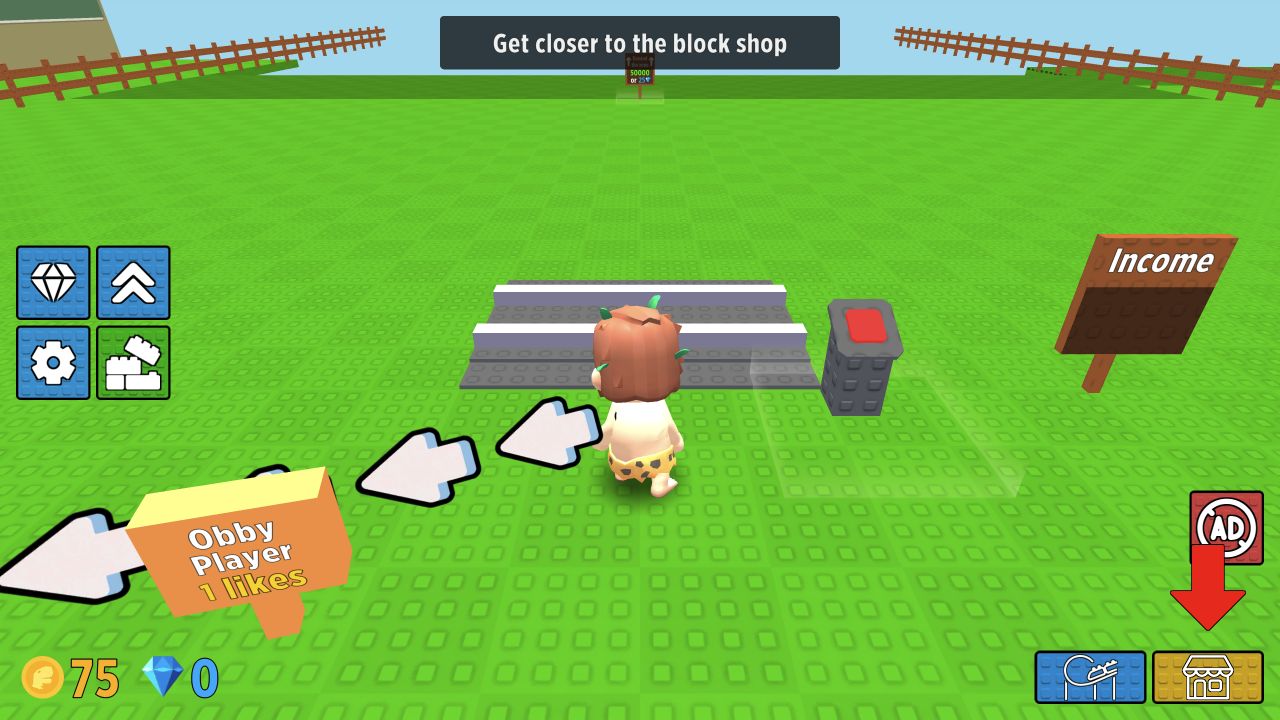
Build a Rollercoaster: Simulator was tested on 2026-08-13 in Codex in-app Chromium 151.0.7922.76 at 1280×720. The recorded inputs were Close the preroll; Focus the game and press W. The visible record says: The avatar spawned beside a red floor button and an Income sign. The opening objective was to get closer to the block shop. The HUD started at 75 coins and zero diamonds.
Wood Nuts Master: Screw Puzzle was tested on 2026-08-13 in Codex in-app Chromium 151.0.7922.76 at 1280×720. The recorded inputs were Close the preroll; Click the central screw. The visible record says: The objective read ‘Let all the woods fall down’ and the timer started at 00:55. The opening obstacle was a narrow dark bar with a central screw and an empty hole above. Clicking the center rotated the bar from horizontal to diagonal without removing the screw.
These records support only the states and inputs described above. They do not establish later-level quality, average session length, mobile behavior, popularity, learning effects or competitive balance unless a separate source or test explicitly covers that question.
References and evidence
- Build a Rollercoaster: Simulator — hands-on evidence — Desktop (macOS), Codex in-app Chromium 151.0.7922.76, 1280×720; tested 2026-08-13.
- Wood Nuts Master: Screw Puzzle — hands-on evidence — Desktop (macOS), Codex in-app Chromium 151.0.7922.76, 1280×720; tested 2026-08-13.