Action games
Fast browser games about movement, pressure, timing, and clear decisions under stress. Use this page when you want short rounds with immediate feedback and a visible skill curve.
13 editor-reviewed155 total in the playable library
Editor-reviewed picks
These games have original fulegames notes, controls references, tips, pros and cons, and FAQ entries written after hands-on review.
Full game library
Full game library
This browsable library keeps every playable game visible. Cards marked Library are playable entries whose full editorial review is still pending.
Action on the web started as a test of hands, not hardware
Action games were the browser's most resilient genre during every technical reset because their promise was always simple: read danger, move now, recover fast. In the Flash years that meant side scrolling beat-em-ups, missile dodgers, stick figure arenas, and short platform chases that could load before a school bell or a lunch break ended. When HTML5 replaced plug-ins, action survived because the rounds were small enough for canvas engines and early WebGL to handle. A designer did not need a forty hour campaign to make the genre work. They needed one legible threat, one dependable control scheme, and a restart button that respected the player. That same structure still explains why action pages get repeat visits in 2026. The technology improved, but the emotional contract stayed tight: a player wants to feel sharper after three attempts than on the first one.
Modern web action is also shaped by mobile design, even on desktop. Many titles are built around lanes, waves, short boss patterns, and upgrade decisions that work with touch controls but feel better with keys or a mouse. That cross-device pressure made the genre cleaner. Long combo sheets are rare, camera control is usually limited, and the best games teach through enemy placement rather than pop-up lessons. The first thirty seconds matter more than the first paragraph of instructions. If an action game cannot show the player where danger comes from, how far an attack reaches, and what a mistake costs before the first restart, it loses the browser audience quickly. Good action design treats that impatience as a useful constraint instead of a problem.
The four shapes most action games take now
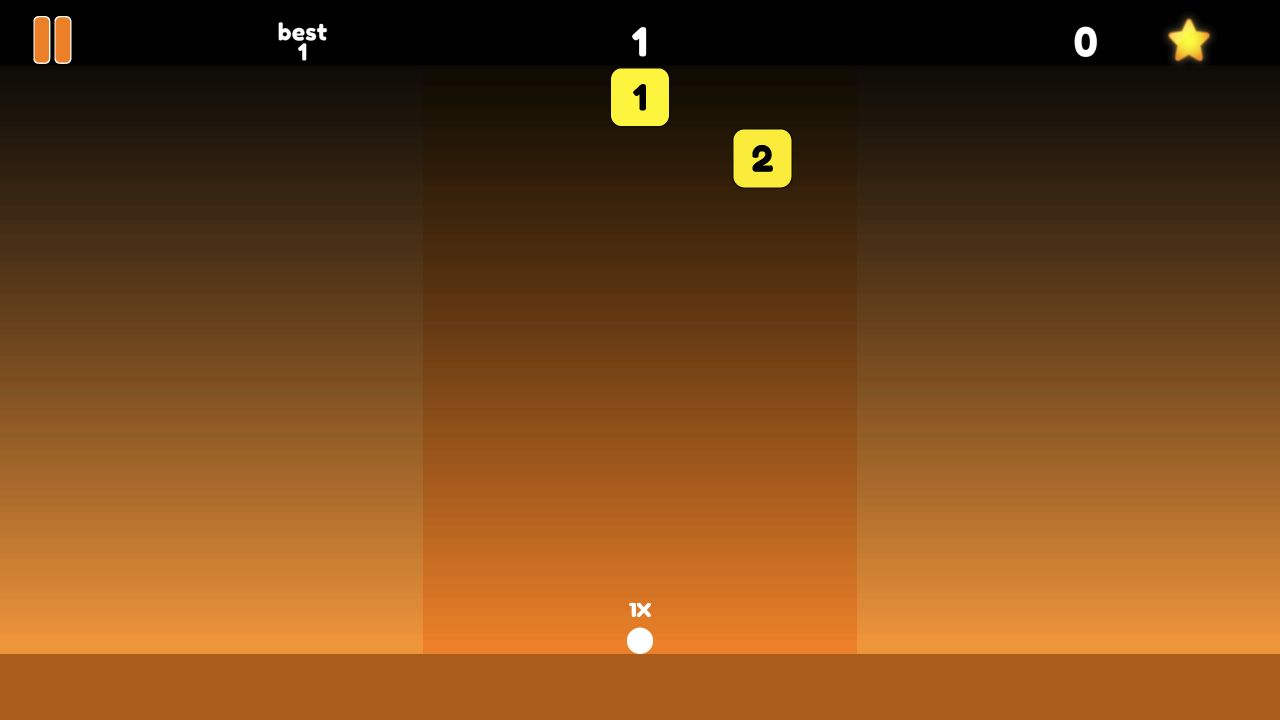
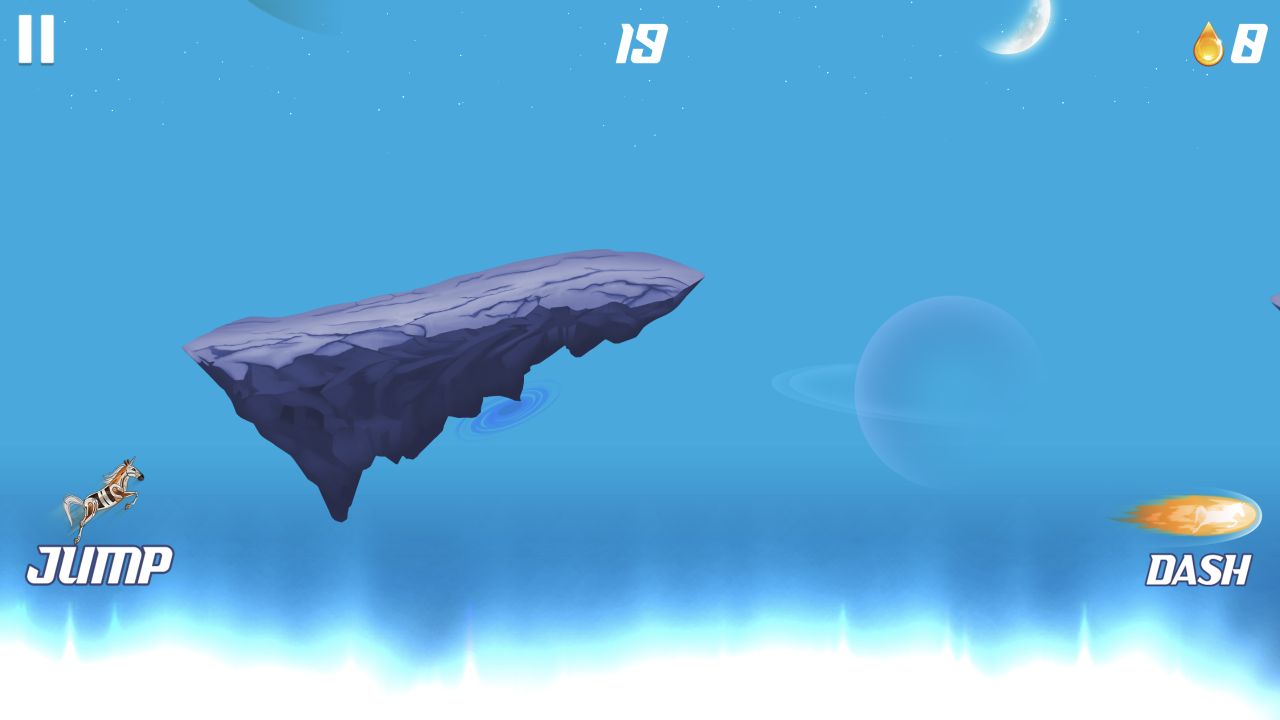
The current catalog is dominated by four shapes. Lane runners ask for early commitment: move left, move right, jump, duck, and accept that late decisions are punished. Wave survivors create pressure through crowd movement and upgrade tempo; the player learns how to herd danger rather than chase every target. Boss rush games compress the genre into pattern reading, where the real challenge is staying calm during the last ten percent of a health bar. Twin-stick or arena action sits between those poles, asking the player to separate movement from aim while tracking space, cooldowns, and escape routes. These sub-genres look different in screenshots, but they all revolve around a visible loop of threat, response, and improvement.
A good way to choose is to ask what kind of stress you want. If you want rhythm, start with a runner or dodge game because the rules become readable after two rounds. If you want planning inside speed, try a wave survivor where an upgrade path can rescue a messy run. If you want a duel, boss rush titles give the cleanest feedback because every hit usually came from one mistake. If you want full attention, arena action is the most demanding because the safest direction changes every second. Players who bounce off action games often picked the wrong stress profile, not the wrong genre.
Reading a new action game before the first failure
The first half minute of an action game tells you almost everything. Watch whether the camera shows incoming threats early or hides them at the edge of the screen. Notice if enemies telegraph attacks with color, sound, animation, or only collision. Check whether damage creates recovery time or immediately stacks into a second mistake. These details matter more than theme. A robot arena, a rooftop chase, and a monster shooter can all be fair or unfair depending on how they communicate danger. Fair action games let a first-time player say, "I know why I lost," even when the player cannot yet avoid losing.
Controls need the same inspection. Browser action works best when the important input is reachable without finger gymnastics: movement on arrows or WASD, one main action, maybe a dash or interact key. If a game asks for six keys in the first minute, the design has to justify that complexity with unusually deep combat. Most short-session players do better by treating early rounds as calibration. Test jump height, dash cooldown, turn speed, weapon range, and whether enemies collide with each other. You are not wasting time; you are building the mental map that makes the next round feel intentional instead of noisy.
From beginner reactions to a real flow state
Beginners usually try to solve action games by reacting faster. That helps, but only after the eyes learn where to look. The practical skill is attention placement. In a lane runner, your eyes should sit farther ahead than your character. In a wave survivor, watch the empty space you plan to move into rather than the enemies already beside you. In boss fights, look at the body part that starts the attack, not the health bar. These habits reduce the amount of raw speed required. The player who sees a pattern early looks faster than the player who reacts late, even if their hands move at the same speed.
The second beginner skill is accepting controlled failure. Many browser action games are built around short loops because the designer expects ten imperfect attempts, not one perfect clear. Use the first run to learn inputs, the second to test danger, and the third to decide whether upgrades or route choices matter. Once that rhythm clicks, flow appears: movement begins before conscious explanation, restarts stop feeling insulting, and small improvements become visible. The best action games create that state without hiding the work. They make failure light enough to repeat and feedback clear enough to trust.
Advanced players should study economy, not only execution
Experienced action players often arrive with strong hands and still plateau because modern web action borrows from roguelites, idle systems, and mobile upgrade economies. The correct move in a survivor game may be to take a boring range upgrade because it protects the next two minutes. The correct move in a runner may be to skip a risky coin line because the speed increase matters more than currency. The correct move in a boss rush may be to use a cooldown defensively instead of saving it for damage. Execution opens the door, but economy decides whether the run has room to breathe.
A useful veteran habit is to separate "high score play" from "learning play." On a learning run, choose upgrades you normally ignore, take the side path, test whether a dash has invulnerability, and deliberately watch what happens when two enemy types overlap. On a scoring run, remove experiments and play the cleanest route you know. Mixing the two mindsets creates frustration because you judge an experiment by a score it was never meant to earn. Browser action rewards this discipline because rounds are short enough to isolate one question at a time.
Where browser action goes next
The next wave of browser action will probably be less about bigger worlds and more about sharper sessions. WebGPU, improved compression, and better mobile browsers will help visuals, but the genre's advantage is still speed. Expect more hybrid designs that combine a three minute action loop with persistent unlocks, daily challenge seeds, and light social comparison. The strongest titles will not imitate console action at reduced scale. They will use the browser's strengths: instant access, shareable links, quick retries, and the ability to try a strange mechanic without buying anything first.
For players, that future is good news. Action on the web has become a practical laboratory for timing, movement, and readable pressure. A small title can test one excellent idea and earn a place beside larger productions because the browser audience judges the first minute honestly. If it moves well, communicates danger, and makes the next attempt tempting, it belongs. That standard is demanding, but it is also why the genre keeps improving after every platform shift.
A practical way to evaluate action games is to keep a short field log during the first session. Note the first enemy that damages you, the first place your movement feels cramped, the first upgrade that changes survival, and the first moment you restart by choice rather than annoyance. Those details separate strong action from noisy action. Strong games make the player more intentional after every attempt. Noisy games only make the screen busier. Pay special attention to recovery tools: dash cooldowns, temporary shields, knockback, healing windows, and safe corners. Recovery is where many browser action games reveal their craft. If recovery is too generous, danger becomes decoration. If recovery is too strict, one mistake ruins the round. The middle ground is where flow lives. A game can be fast, flashy, and loud, but the lasting question is whether the player can learn a rule, apply it under pressure, and feel the next run becoming cleaner.
Frequently asked
What is the best action game for a short break?
Pick one with rounds under five minutes and instant restarts. Lane runners, wave survivors, and compact arena games usually fit that window best.
Are action games hard for beginners?
They can be, but the friendliest ones teach with clear enemy patterns and light failure penalties. Start with simple movement before choosing boss rush or arena combat.
Do action games work on mobile browsers?
Many do, especially lane-based and tap-friendly games. Keyboard-heavy arena titles are usually better on desktop or tablet with a physical keyboard.
Blog
Read next from the blog
Six random editorial picks to keep the browsing going.
Opinion
Why Controls Matter More Than Graphics
Pretty art can attract attention, but poor controls are what make players close the tab for good.
Guides
Casual vs Hardcore: Choosing Your Style of Free Online Gaming
These two labels are everywhere in gaming culture but rarely defined. Here is what they actually mean for your free time.
Industry
Browser Game Trends to Watch in 2026
A few clear design trends are shaping browser games right now, and none of them require inflated industry numbers to notice.
Skill guides
Five Mistakes New Puzzle Players Make
Most puzzle beginners do not lose because they lack intelligence; they lose because they bring the wrong habits to the board.
Lists
Simple Clicker Games With Real Depth
The strongest clicker games start with a single obvious action and then keep changing what that action means.
Skill guides
How to Train Pattern Recognition With Browser Puzzles
A simple four-week puzzle routine can improve pattern recognition if you treat each session as practice in noticing shape, not just clearing boards.