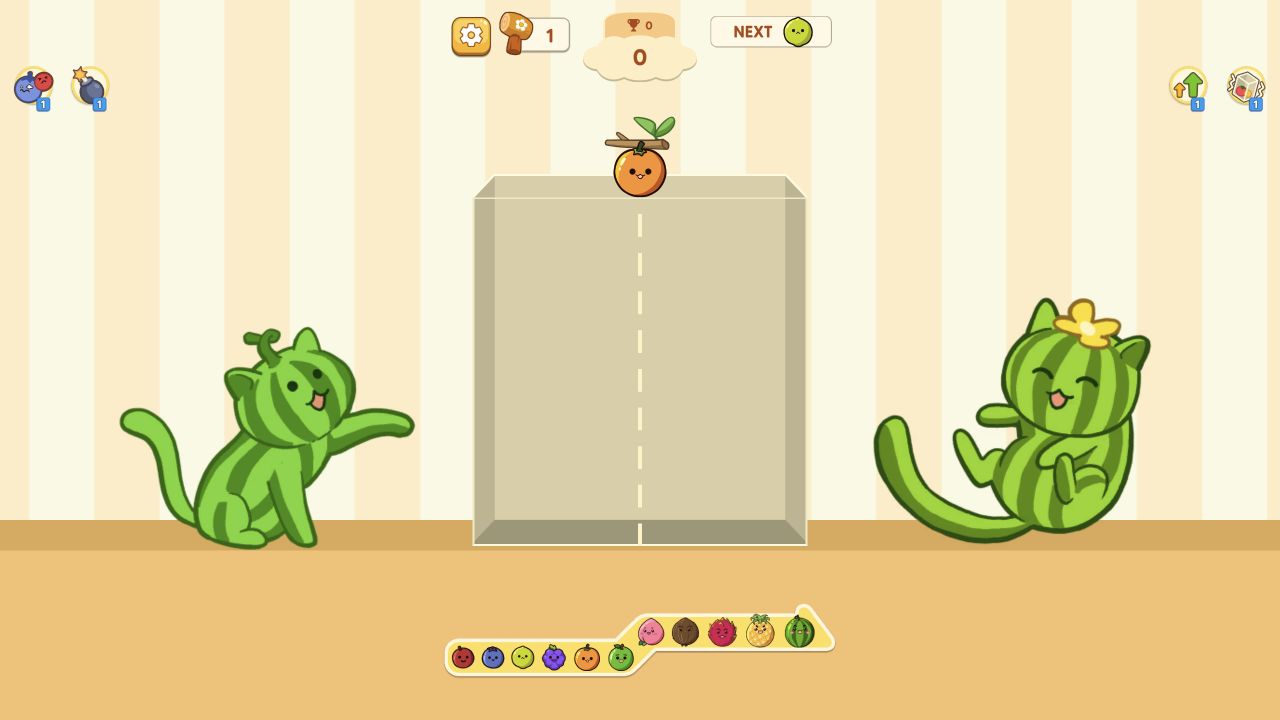
Puzzle games
Logic, pattern recognition, spatial reasoning, tile play, matching, sorting, and thoughtful browser challenges for players who want a satisfying mental click.
16 editor-reviewed226 total in the playable library
Editor-reviewed picks
These games have original fulegames notes, controls references, tips, pros and cons, and FAQ entries written after hands-on review.
Full game library
Full game library
This browsable library keeps every playable game visible. Cards marked Library are playable entries whose full editorial review is still pending.
Puzzle is the web's oldest durable habit
Puzzle games have deeper browser roots than most genres because they survive on clarity rather than spectacle. Before modern engines, a web page could still deliver crosswords, sliding blocks, match games, logic grids, riddles, and physics puzzles. The format matched how people used the internet: open a page, solve one thing, move on, maybe send it to someone else. That habit never disappeared. Graphics improved and sub-genres multiplied, but puzzle remains the category most comfortable with a small screen, a quiet room, and a player who wants to think.
The genre's durability comes from the "aha" moment. A puzzle is not only a barrier. It is a designed misunderstanding that becomes obvious after the right observation. The player sees a pattern, rotates a shape, moves one piece, changes an assumption, and the board opens. Browser puzzle games thrive when they deliver that moment quickly enough for casual players and deeply enough for enthusiasts.
Logic and casual sit at opposite ends of the same table
Puzzle is not one difficulty level. At one end are pure logic games with no timer, strict rules, and solutions that can be reasoned from the starting state. At the other end are casual puzzles with satisfying clears, soft pressure, boosters, and forgiving levels. Between them are physics puzzles, merge boards, tile matchers, word games, hidden-object scenes, and spatial challenges. They all ask the player to recognize relationships, but they differ in how much pressure they apply.
This range is why puzzle pages need good context. A player seeking a calm tile clear may not want a brutal logic maze. A player seeking deep deduction may find a casual matcher too light. The right puzzle is the one that matches the desired mental texture: neatness, discovery, calculation, spatial movement, vocabulary, memory, or experimentation. Once you name that texture, the category becomes easier to navigate.
Modern sub-genres worth knowing
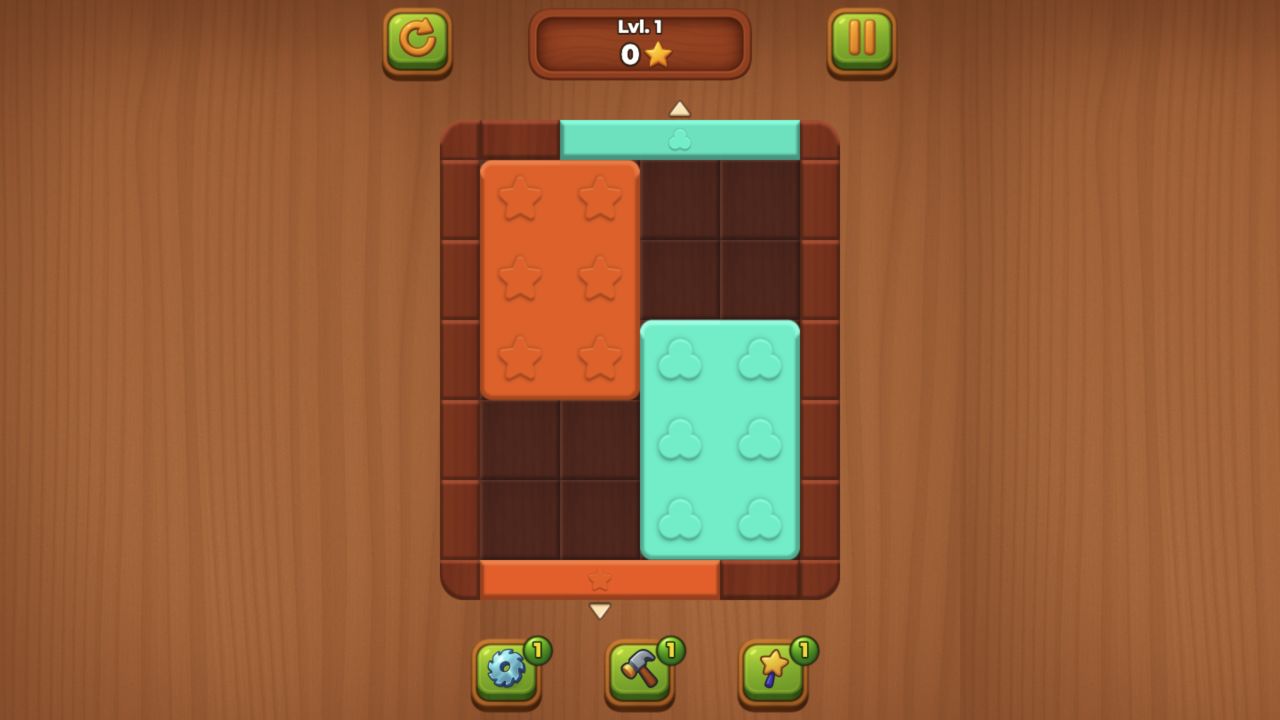
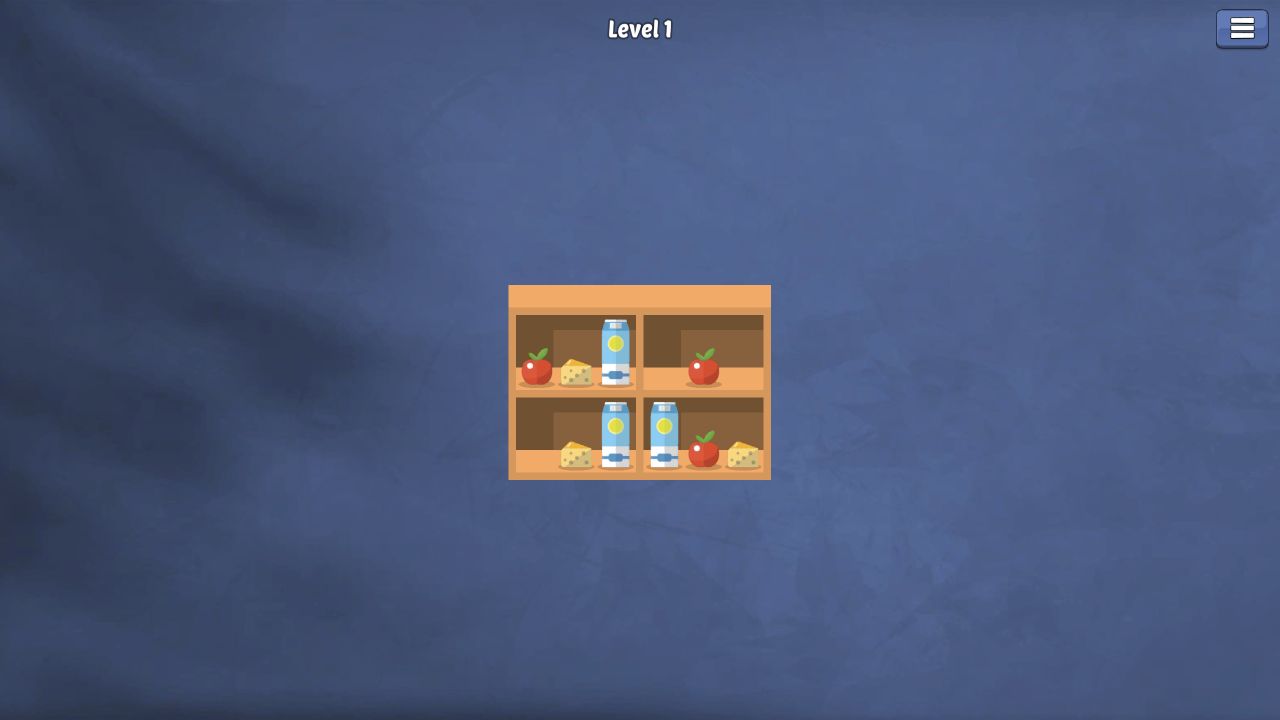
Triple-tile games ask players to manage limited holding space while clearing matching sets. Pull-pin puzzles ask for cause-and-effect planning before releasing objects. Tile merge games combine matching with growth and board management. Logic mazes ask the player to plan movement under constraints. Picross and nonogram variants turn numbers into pictures through deduction. Sorting puzzles use containers, colors, or stacks to make order visible. Physics puzzles ask what will happen when gravity, momentum, or collision enters the scene. Each sub-genre trains a different part of attention.
A good habit is to identify the failure mode. In triple-tile games, failure often comes from filling the tray too early. In pull-pin games, it comes from solving the visible problem before the hidden consequence. In logic mazes, it comes from moving before planning the exit. In sorting puzzles, it comes from creating a stack that blocks future moves. Naming the failure mode is the fastest route to improvement.
The aha criterion for great puzzles
A great puzzle should feel impossible, then fair. The answer may surprise the player, but it should not feel random after it appears. This is the aha criterion. The puzzle must hide the solution in plain sight through rules, layout, sequence, or perspective. If the answer depends on an invisible trick, the player feels cheated. If the answer is obvious from the start, there is no spark. The sweet spot is a problem that changes shape when the player notices one overlooked relationship.
Browser puzzles have a special challenge because players can leave instantly. They must signal fairness early. Clear rules, readable pieces, undo support, and stable input all help. So does level order. A designer can teach a mechanic through three small boards before asking for a clever use of it. When that ramp is tuned well, difficulty feels like invitation rather than punishment.
Tips for harder logic puzzlers
Hard logic puzzles reward slow starts. Do not move immediately. First identify fixed constraints: walls, locked pieces, one-way paths, limited colors, required order, or pieces that cannot return once moved. Then work backward from the goal. Many puzzles become easier when you ask what the final move must be. If the final move requires a piece to be in a certain place, the rest of the solution becomes a plan to make that condition possible. This is how experienced solvers reduce a messy board into smaller questions.
Use mistakes as information. If a path traps a piece, ask which earlier decision made the trap inevitable. If a tray fills, ask which match should have been delayed. If a number clue contradicts your board, find the assumption, not only the cell. The goal is not to avoid every wrong move. It is to make wrong moves explain the system. That mindset turns hard puzzles from frustration into practice.
Why puzzle remains untouchable on the open web
Puzzle games will remain central to browser play because they scale beautifully. A puzzle can be tiny or enormous, casual or severe, visual or verbal, five seconds or fifty minutes. It does not need expensive art to be memorable. It needs rules that create curiosity. The web is full of players with fragmented attention, and puzzle is one of the few genres that can meet them at every level: one board during a break, one daily challenge at breakfast, one long logic session at night.
The future will bring more hybrid puzzle games: puzzle plus decoration, puzzle plus story, puzzle plus idle progress, puzzle plus daily competition. The strong ones will keep the aha moment central. Progress systems can frame play, but the category lives or dies by the mental click when a board finally makes sense. That click is still one of the web's best reasons to play.
Puzzle players can make the category more rewarding by naming the kind of thinking a board requires before solving. Some puzzles ask for deduction, where each move follows from a rule. Some ask for search, where you test branches and backtrack. Some ask for spatial imagination, where rotation or movement must be pictured before it happens. Some ask for probability, memory, or pattern completion. Naming the thinking style helps you choose tools. Deduction needs patience. Search needs notes or undo. Spatial puzzles need visualization and sometimes physical gestures with the mouse. Pattern puzzles need comparison. The mistake is using one style for every board. A player who tries to brute-force a deduction puzzle will feel stuck; a player who overthinks a casual pattern board will make it dull. Matching method to puzzle is half the pleasure.
Frequently asked
What puzzle game should beginners start with?
Start with tile matching, sorting, or light physics puzzles. They teach pattern recognition without demanding long deductions.
What makes a puzzle fair?
A fair puzzle gives enough visible information to solve it through rules, observation, and planning rather than guessing.
How do I get better at logic puzzles?
Identify fixed constraints, work backward from the goal, and treat wrong moves as clues about the system.
Blog
Read next from the blog
Six random editorial picks to keep the browsing going.
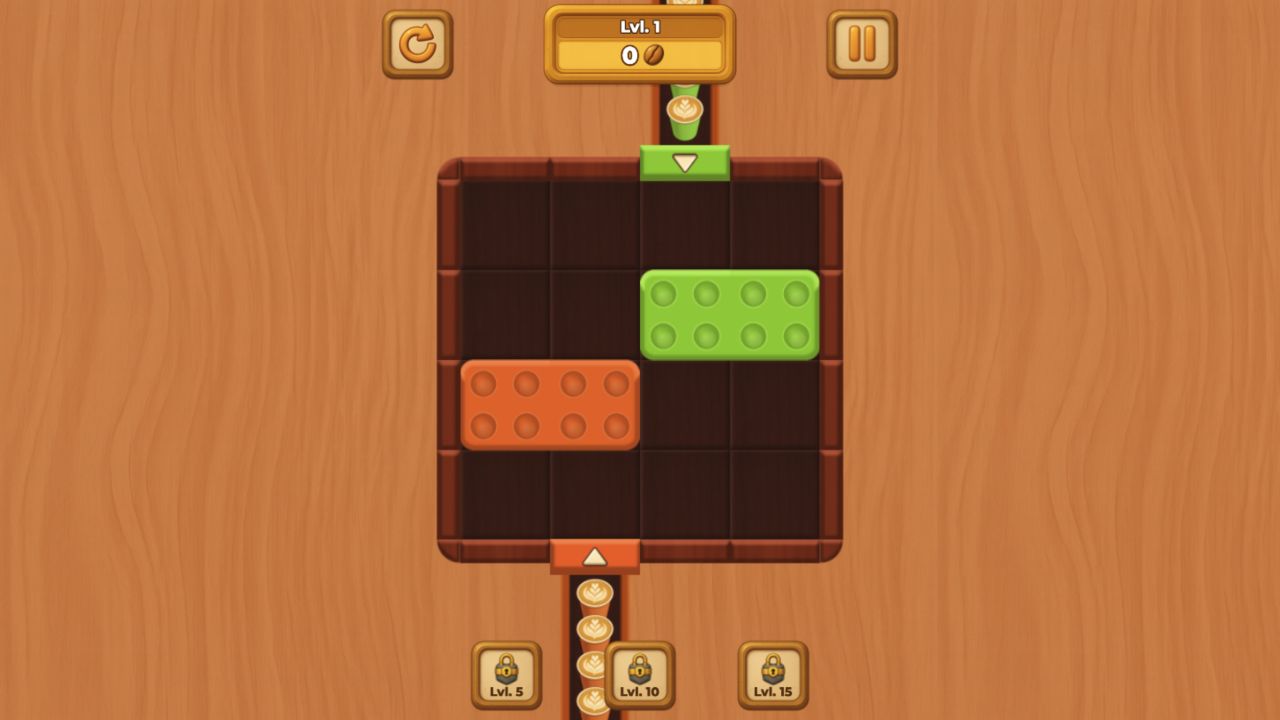
Guides
Mobile-Friendly Browser Games: What to Look For
Not every browser game runs well on a phone. Here is the editor's checklist for finding the ones that do.
Behind the scenes
How We Review Browser Games (And What We Look For)
A transparent look at the simple, repeatable review process we use before a browser game earns editorial coverage on the site.
Lists
Parkour and Platforming in Browser Games
The best browser parkour and platforming games turn movement into a readable conversation between timing, route choice, and level design.
Lists
Family-Friendly Free Games for Kids and Parents
A short, vetted list of browser games that are genuinely safe and enjoyable for younger players, with notes for the parents in the room.
Industry
The Evolution of Free Online Games: From Flash to HTML5
A short history of how free browser games went from Flash banners to a modern catalog of WebGL-powered titles, and what changed along the way.
Skill guides
Five Mistakes New Puzzle Players Make
Most puzzle beginners do not lose because they lack intelligence; they lose because they bring the wrong habits to the board.