
The previous guide compared mouse and controller without a retained FPS session. That comparison is now removed. A credible guide must name the game, input device, sensitivity, frame state, target distance and visible result. Controller support must be tested rather than inferred from a genre.
Billiards 3D and Pool Shoot Tournament are aiming interfaces, not FPS evidence. They appear because their records separate line, power and outcome—the same discipline an FPS test would need.
Minimum test matrix
Until a current FPS completes that matrix, fulegames will publish the protocol instead of device advice. This keeps the URL useful without manufacturing expertise.
- Mouse movement at two documented sensitivity settings.
- Keyboard movement with a fixed input sequence.
- Controller detection, dead-zone and button mapping when supported.
- One repeated target transition per device.
- No faster, smoother or more precise label without measurements.
What the linked records actually contain
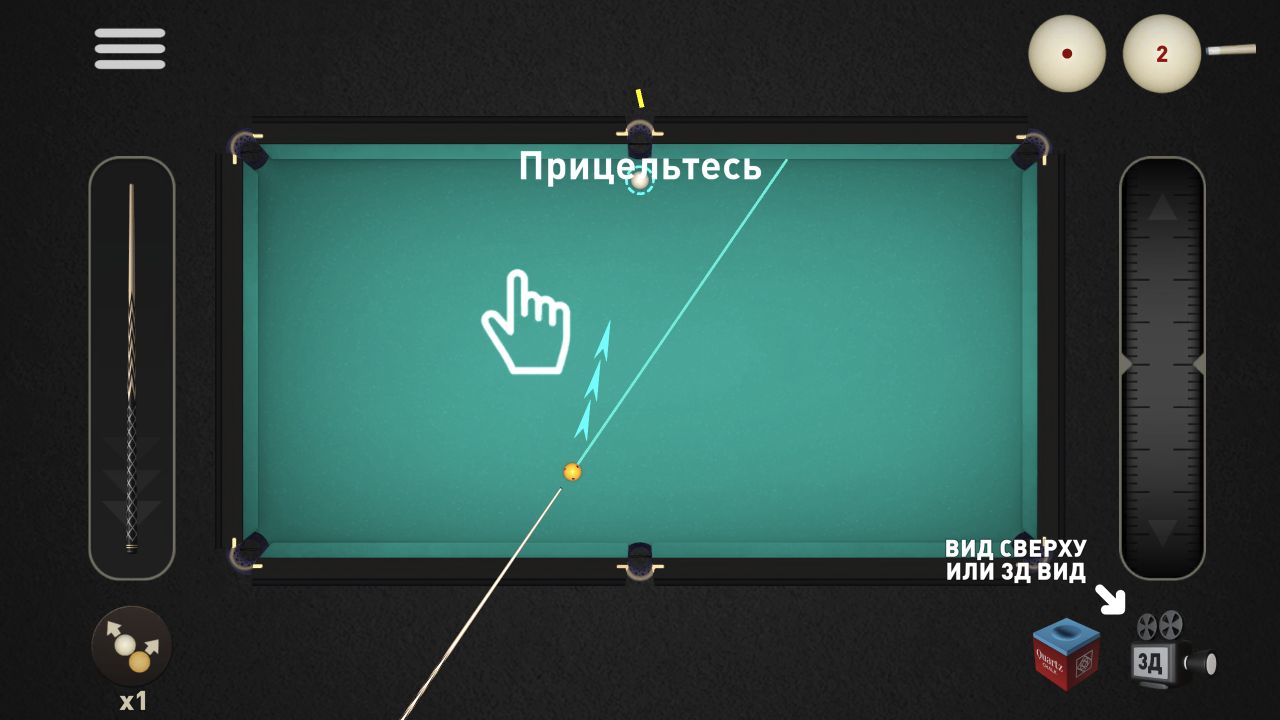
Billiards 3D: Russian Pyramid was tested on 2026-08-13 in Codex in-app Chromium 151.0.7922.76 at 1280×720. The recorded inputs were Click the opening table; Click once on the aiming tutorial. The visible record says: The live table opened in a Russian-language aiming tutorial. A cue line ran from the yellow cue ball toward the top-middle pocket. Top-view/3D-view controls and a vertical power meter were visible.
Pool Shoot Tournament was tested on 2026-08-13 in Codex in-app Chromium 151.0.7922.76 at 1280×720. The recorded inputs were Close the preroll; Click the table to fire toward the center. The visible record says: The active table mixed red, green, and yellow numbered balls. Pocket values read 50, 100, 250, 100, and 50 across the top. The first click changed the current aiming state while score stayed 0 and bombs stayed at 5.
These records support only the states and inputs described above. They do not establish later-level quality, average session length, mobile behavior, popularity, learning effects or competitive balance unless a separate source or test explicitly covers that question.
References and evidence
- Billiards 3D: Russian Pyramid — hands-on evidence — Desktop (macOS), Codex in-app Chromium 151.0.7922.76, 1280×720; tested 2026-08-13.
- Pool Shoot Tournament — hands-on evidence — Desktop (macOS), Codex in-app Chromium 151.0.7922.76, 1280×720; tested 2026-08-13.