
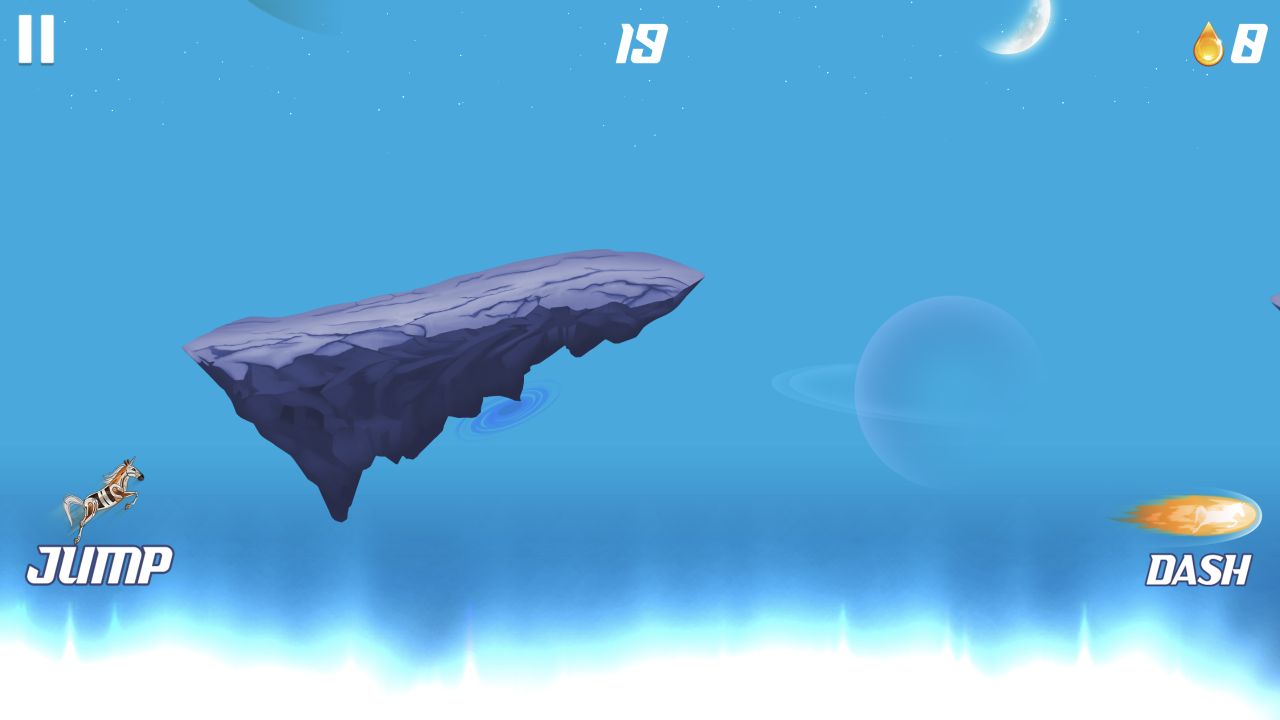
A good stopping rule should be visible and voluntary. Robot Unicorn Dash displayed a live run score; Super Frog Adventure displayed hearts, fruit count and a timer. Those interface elements can define a small session goal without pretending the game knows how a player feels.
Choose one observable aim before starting: test Jump once, reach a new visible state, or stop when the current run ends. If input remains unclear, leaving is also a valid result.
Stop when one of these is true
This is not medical advice and does not diagnose compulsive play. It is a way to keep a browser session bounded by an intention the player selected in advance.
- The planned run or test is complete.
- You are repeating without a new question.
- The control result remains ambiguous after a deliberate retry.
- A timer, purchase or reward prompt is pushing beyond the time you chose.
What the linked records actually contain
Robot Unicorn Dash was tested on 2026-08-13 in Codex in-app Chromium 151.0.7922.76 at 1280×720. The recorded inputs were Click Play Now; Press Space twice during the live run. The visible record says: The menu opened on a blue planet backdrop with a trophy counter at zero. Starting the run transitioned through a paint-splash wipe. The live HUD labeled Jump and Dash and the captured run reached 19.
Super Frog Adventure was tested on 2026-08-13 in Codex in-app Chromium 151.0.7922.76 at 1280×720. The recorded inputs were Click the canvas; Press ArrowRight repeatedly, then ArrowUp. The visible record says: The first scene opened with four hearts, a 0/3 fruit counter, and a 196-second timer. Tutorial panels labeled horizontal movement and jumping. Discrete key presses did not produce a clearly visible traversal while the timer continued.
These records support only the states and inputs described above. They do not establish later-level quality, average session length, mobile behavior, popularity, learning effects or competitive balance unless a separate source or test explicitly covers that question.
References and evidence
- Robot Unicorn Dash — hands-on evidence — Desktop (macOS), Codex in-app Chromium 151.0.7922.76, 1280×720; tested 2026-08-13.
- Super Frog Adventure — hands-on evidence — Desktop (macOS), Codex in-app Chromium 151.0.7922.76, 1280×720; tested 2026-08-13.