
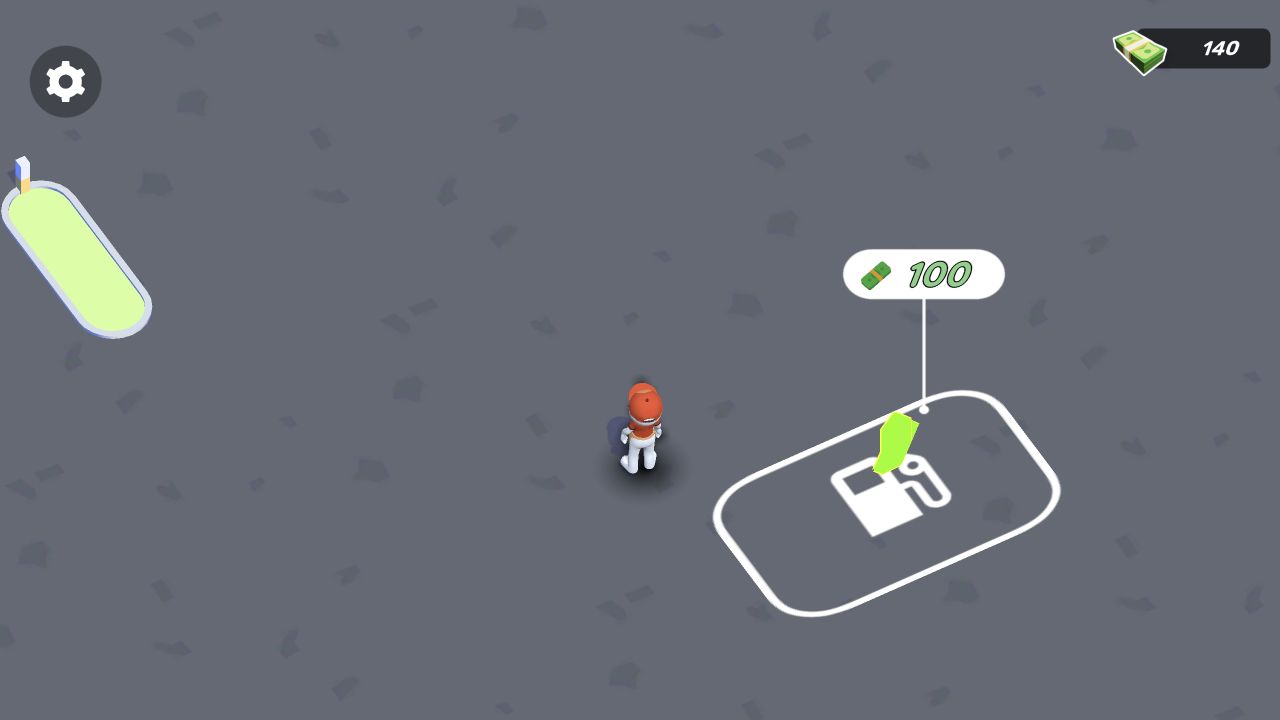
Progression is a sequence of verified state changes, not a row of large numbers. Gas Station Simulator exposed 140 cash and a purchase costing 100. Build a Rollercoaster exposed 75 coins, zero diamonds and a shop objective. Fruit Merge exposed score, current fruit, next fruit and a progression legend.
Those openings allow a reviewer to name resources and intended next actions. They do not show payback time, later unlocks or whether a system remains interesting.
Build the record one transaction at a time
Until those steps exist, depth should be replaced with a narrower phrase such as the opening presents a visible resource choice. That language is useful, accurate and easy to update when longer evidence arrives.
- Capture balance before purchase.
- Record exact cost and resulting unlock.
- Measure the next earning event.
- Separate score from spendable currency.
- Test offline or prestige behavior only in a dedicated return session.
What the linked records actually contain
Gas Station Simulator was tested on 2026-08-13 in Codex in-app Chromium 151.0.7922.76 at 1280×720. The recorded inputs were Click Let’s Play; Focus the scene and press W. The visible record says: The session loaded into a top-down station forecourt. The tutorial displayed both WASD and mouse-drag movement. Starting cash was 140 and the first marked purchase cost 100.
Build a Rollercoaster: Simulator was tested on 2026-08-13 in Codex in-app Chromium 151.0.7922.76 at 1280×720. The recorded inputs were Close the preroll; Focus the game and press W. The visible record says: The avatar spawned beside a red floor button and an Income sign. The opening objective was to get closer to the block shop. The HUD started at 75 coins and zero diamonds.
Fruit Merge: Juicy Drop Game was tested on 2026-08-13 in Codex in-app Chromium 151.0.7922.76 at 1280×720. The recorded inputs were Close the preroll and confirmation; Click the center of the container. The visible record says: The run opened at score 0 with a small orange fruit above an empty container. The next-fruit preview showed a small green fruit. The bottom legend displayed a progression from small berries to pineapple and watermelon.
These records support only the states and inputs described above. They do not establish later-level quality, average session length, mobile behavior, popularity, learning effects or competitive balance unless a separate source or test explicitly covers that question.
References and evidence
- Gas Station Simulator — hands-on evidence — Desktop (macOS), Codex in-app Chromium 151.0.7922.76, 1280×720; tested 2026-08-13.
- Build a Rollercoaster: Simulator — hands-on evidence — Desktop (macOS), Codex in-app Chromium 151.0.7922.76, 1280×720; tested 2026-08-13.
- Fruit Merge: Juicy Drop Game — hands-on evidence — Desktop (macOS), Codex in-app Chromium 151.0.7922.76, 1280×720; tested 2026-08-13.