
Family-friendly is not a conclusion that can be reached from bright colors, an animal character or a catalog tag. A responsible adult needs to inspect the live opening, the requested permissions, the advertising or purchase surfaces and what happens after a mistake. Our current sessions were short desktop functional checks, not child-development assessments or full-game content reviews.
This page therefore does not publish an approved-for-kids list. It gives parents a repeatable first pass and shows how three apparently approachable games can still require different questions. Advertising is disabled on this parental-guidance article.
Review the live state, not only the thumbnail
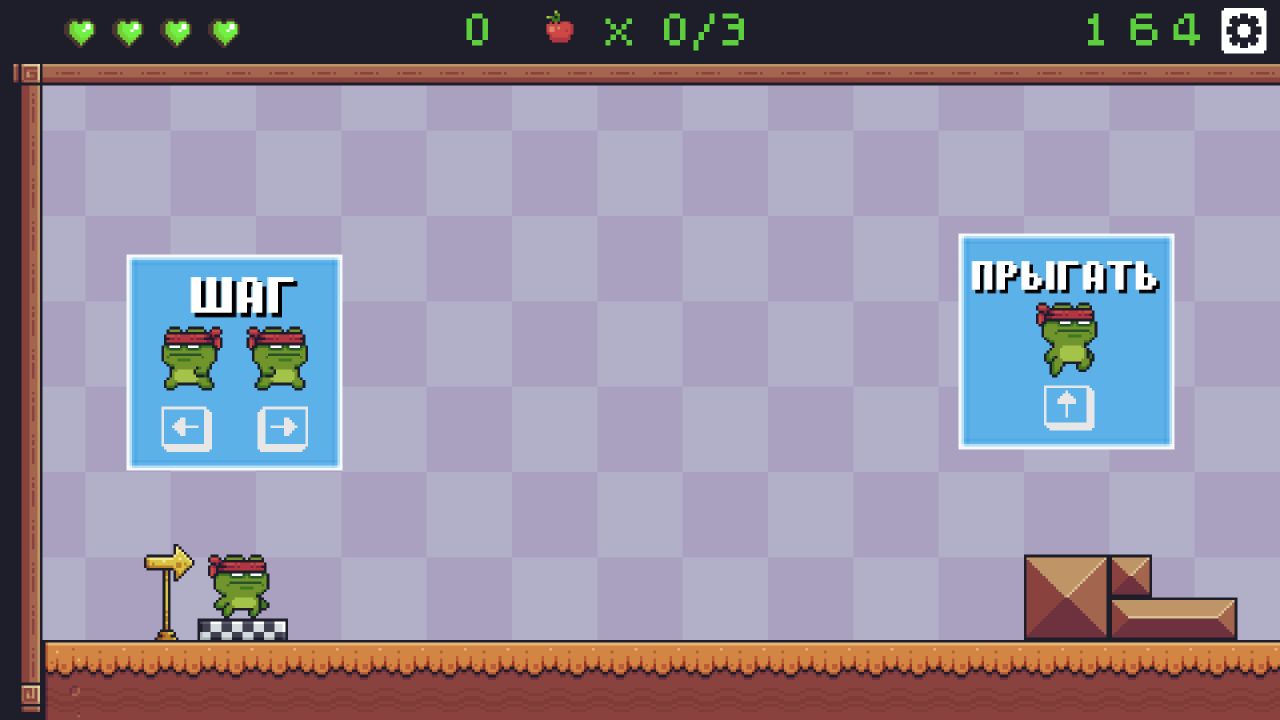
Super Frog Adventure reached a platform scene with four hearts, a 0/3 fruit counter and a 196-second timer. Robot Unicorn Dash reached a live run labeled Jump and Dash. Coffee Color Blocks opened a board with colored gates and a tutorial drag. These observations help an adult see the control language and visible pressure in the first scene.
They do not establish what appears in later levels, whether an external ad changes, or whether a child will understand the instructions. The adult should play beyond the opening, repeat the check periodically and treat third-party content as capable of changing.
Four questions before handing over the device
- Content: does the live scene contain violence, frightening imagery, chat or themes that the thumbnail did not show?
- Commercial design: are purchases, rewarded skips or advertising prompts clearly separated from play?
- Permissions: does the game request camera, microphone, location, downloads or account creation, and is there a clear reason?
- Stopping: can the child leave after a round or level without losing something the interface presents as urgent?
Understand the embed boundary
The article and evidence page are published by fulegames, while the running games are delivered through Playgama. That means fulegames can remove a title from its public collection and document what it observed, but it does not control every later state inside third-party content. The Game Sources page makes this relationship explicit.
If an adult finds an unsuitable scene, preserve the URL, date and screenshot and report it. A useful report identifies the exact state instead of relying on a genre label.
What this checklist can and cannot do
It can help an adult notice visible content, control complexity, time pressure, permissions and commercial prompts. It cannot determine the right age, screen-time limit or developmental effect for an individual child. Those decisions belong to the family and may require information beyond the first browser session.
The linked evidence makes the current scope inspectable. Future recommendations should add mobile and longer-session records before becoming stronger, and any title that fails the content check should leave the public child-facing context rather than being rescued by softer wording.
What the linked records actually contain
Super Frog Adventure was tested on 2026-08-13 in Codex in-app Chromium 151.0.7922.76 at 1280×720. The recorded inputs were Click the canvas; Press ArrowRight repeatedly, then ArrowUp. The visible record says: The first scene opened with four hearts, a 0/3 fruit counter, and a 196-second timer. Tutorial panels labeled horizontal movement and jumping. Discrete key presses did not produce a clearly visible traversal while the timer continued.
Robot Unicorn Dash was tested on 2026-08-13 in Codex in-app Chromium 151.0.7922.76 at 1280×720. The recorded inputs were Click Play Now; Press Space twice during the live run. The visible record says: The menu opened on a blue planet backdrop with a trophy counter at zero. Starting the run transitioned through a paint-splash wipe. The live HUD labeled Jump and Dash and the captured run reached 19.
Coffee Color Blocks was tested on 2026-08-13 in Codex in-app Chromium 151.0.7922.76 at 1280×720. The recorded inputs were Close the preroll; Drag the green block toward the green gate. The visible record says: Level 1 showed a four-column board with green and orange horizontal blocks. Matching gates sat on opposite edges and no timer was visible. The first drag dismissed the hand prompt but did not send the green block through the gate.
These records support only the states and inputs described above. They do not establish later-level quality, average session length, mobile behavior, popularity, learning effects or competitive balance unless a separate source or test explicitly covers that question.
References and evidence
- Super Frog Adventure — hands-on evidence — Desktop (macOS), Codex in-app Chromium 151.0.7922.76, 1280×720; tested 2026-08-13.
- Robot Unicorn Dash — hands-on evidence — Desktop (macOS), Codex in-app Chromium 151.0.7922.76, 1280×720; tested 2026-08-13.
- Coffee Color Blocks — hands-on evidence — Desktop (macOS), Codex in-app Chromium 151.0.7922.76, 1280×720; tested 2026-08-13.
- fulegames Privacy Policy — Site data and advertising disclosures for adults reviewing the service.
- fulegames Game Sources — Explanation of third-party embeds and content ownership.