
The history of free online games is often reduced to Flash disappeared and HTML5 replaced it. The real transition is a stack rather than a single substitute. Adobe ended Flash Player support on 31 December 2020 and blocked Flash content from running beginning 12 January 2021. Modern browser games can combine HTML, canvas, JavaScript, WebGL and WebAssembly, depending on the title and engine.
Those technologies have different roles. MDN describes WebGL as an API for rendering interactive graphics in a compatible canvas, while WebAssembly provides a binary instruction format that can run alongside JavaScript. Neither source promises that every game loads quickly, works on every device or uses those technologies well. Implementation still matters.
What the current sessions add to the timeline
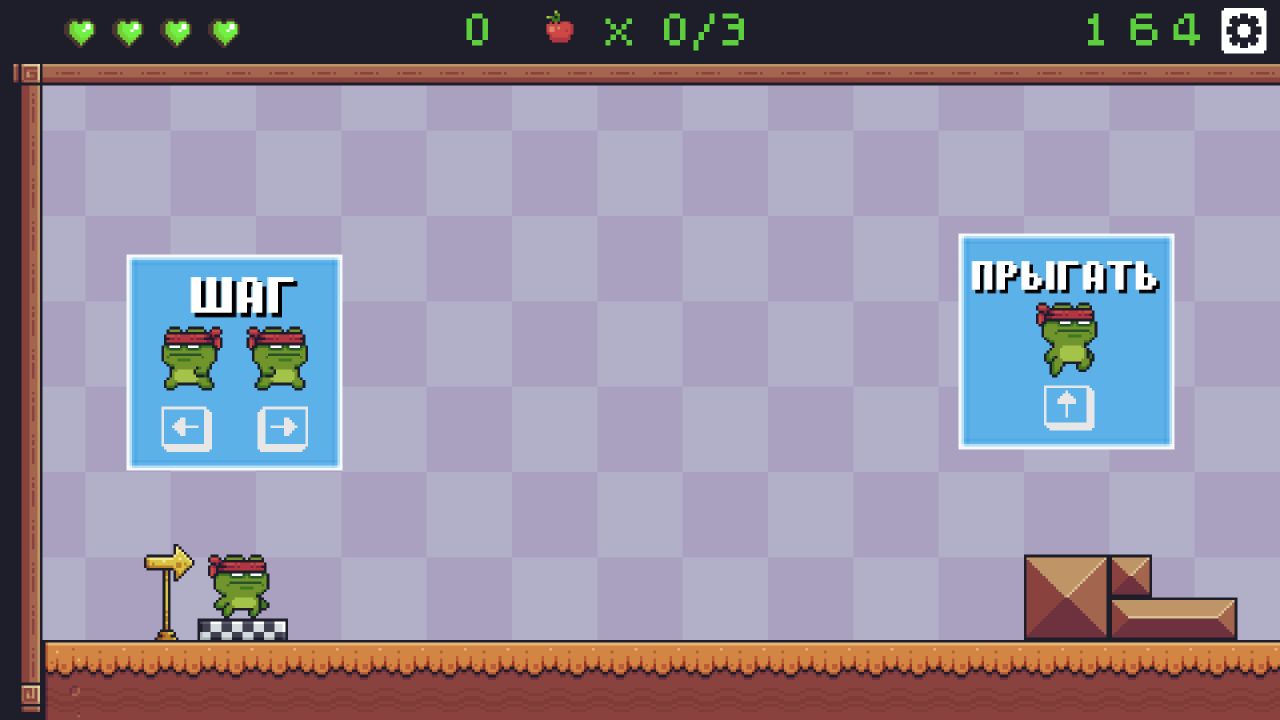
Tile Match reached a live fruit-grid interaction after a canvas click. Super Frog Adventure reached a timed platform scene with hearts and a fruit counter. Gas Station Simulator reached a top-down navigable environment with resource and purchase information. These examples show several contemporary interaction styles delivered in a browser without asking the visitor to install Flash Player.
They do not identify the exact engine used by each game unless the provider supplies that information. A screenshot cannot distinguish WebGL from another canvas renderer, and we do not guess. The technical sources explain what browsers can support; the evidence pages explain what these particular sessions displayed.
What changed for the player
The most visible change is the absence of a separately installed Flash plugin in the tested path. A visitor follows a normal web route, sees the publisher page and opens third-party game content in the browser. Permission, storage and advertising questions have not disappeared; they are governed through contemporary browser and site controls instead.
It would be inaccurate to say that free now has one transparent business model. Different sites and games use different combinations of ads, purchases and data flows. fulegames documents its own stack in the Privacy, Cookies and Game Sources pages and does not extend that disclosure to the whole industry.
How to read future claims about browser technology
That division keeps a technical history useful. Standards documentation can establish what the platform offers; dated playtests can establish what one title did in one environment. Market popularity, quality comparisons and business outcomes require different evidence and are intentionally outside this article.
- Ask for a primary source when a date or platform capability is stated.
- Ask for a game-specific session when performance or control quality is stated.
- Do not infer an engine from graphics alone.
- Do not infer mobile support from a successful desktop session.
What the linked records actually contain
Super Frog Adventure was tested on 2026-08-13 in Codex in-app Chromium 151.0.7922.76 at 1280×720. The recorded inputs were Click the canvas; Press ArrowRight repeatedly, then ArrowUp. The visible record says: The first scene opened with four hearts, a 0/3 fruit counter, and a 196-second timer. Tutorial panels labeled horizontal movement and jumping. Discrete key presses did not produce a clearly visible traversal while the timer continued.
Gas Station Simulator was tested on 2026-08-13 in Codex in-app Chromium 151.0.7922.76 at 1280×720. The recorded inputs were Click Let’s Play; Focus the scene and press W. The visible record says: The session loaded into a top-down station forecourt. The tutorial displayed both WASD and mouse-drag movement. Starting cash was 140 and the first marked purchase cost 100.
Tile Match was tested on 2026-08-13 in Codex in-app Chromium 151.0.7922.76 at 1280×720. The recorded inputs were Close the preroll; Click the center of the game canvas. The visible record says: The opening used a narrow wooden chute rather than a full-width board. The tutorial said to tap three identical tiles. The click expanded the lower queue into a six-column fruit-tile grid with one pineapple highlighted.
These records support only the states and inputs described above. They do not establish later-level quality, average session length, mobile behavior, popularity, learning effects or competitive balance unless a separate source or test explicitly covers that question.
References and evidence
- Super Frog Adventure — hands-on evidence — Desktop (macOS), Codex in-app Chromium 151.0.7922.76, 1280×720; tested 2026-08-13.
- Gas Station Simulator — hands-on evidence — Desktop (macOS), Codex in-app Chromium 151.0.7922.76, 1280×720; tested 2026-08-13.
- Tile Match — hands-on evidence — Desktop (macOS), Codex in-app Chromium 151.0.7922.76, 1280×720; tested 2026-08-13.
- Adobe Flash Player End of Life — Adobe’s official support and blocking timeline.Accessed August 14, 2026.
- MDN: WebGL — Primary browser documentation for accelerated graphics in canvas.Accessed August 14, 2026.
- MDN: WebAssembly — Primary browser documentation for the WebAssembly execution format.Accessed August 14, 2026.