
It is easy to turn the post-Flash web into a comeback story. That framing needs evidence we do not possess: release counts over time, player totals, revenue and a definition of what qualifies as a browser game. This article makes a narrower claim. Adobe ended Flash Player support on 31 December 2020 and blocked Flash content from running from 12 January 2021. Browser games now reach users through other web technologies, and the current fulegames sessions demonstrate several forms that work without the Flash plugin.
MDN describes WebGL as a JavaScript API for rendering interactive graphics in a compatible browser canvas, while WebAssembly provides a compact binary format designed to execute in modern web browsers alongside JavaScript. Those capabilities explain how richer browser software can be delivered. They do not prove that every modern game performs well or that the market is growing.
Three current sessions, three kinds of browser delivery
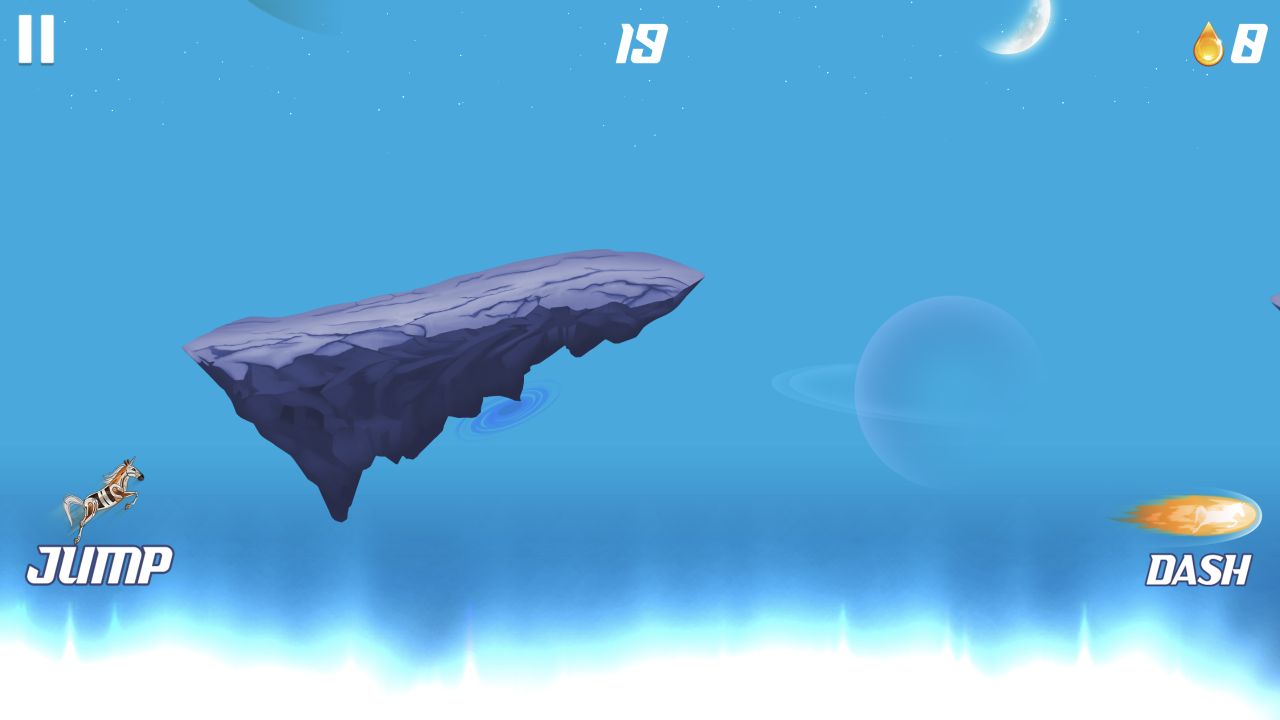
Robot Unicorn Dash moved from a Play Now menu through a paint-splash transition into a live run with Jump and Dash labels. Gas Station Simulator loaded a navigable top-down forecourt with WASD and mouse-drag instructions. Super Frog Adventure reached a timed platform scene with four hearts and a fruit counter, although the discrete key sequence did not produce clearly visible traversal in our pass.
That last result belongs in the story. Modern delivery is not the same as verified responsiveness. A page can reach a live scene and still leave an input question unresolved. The relevant improvement is that the browser can host these different interaction models; the quality of each implementation must still be tested title by title.
What we can say without market data
- The reviewed titles loaded without an end user installing Flash Player.
- The current set includes canvas-like puzzles, a runner, a platform scene and a 3D simulation interface.
- The evidence is from desktop Chromium and cannot establish mobile compatibility.
- Three successful openings cannot establish a market-wide revival, popularity trend or commercial outcome.
A better meaning of comeback
For a returning player, comeback can be a personal description rather than an industry statistic: a familiar click-a-link-and-play interaction is available again through a different technical stack. That is a defensible observation once a specific game opens and accepts input. It should not be inflated into claims that browser games now rival every native platform or that players are returning in measured numbers.
Our editorial policy follows the smaller claim. We record whether a title reaches a live state, what input we apply and what changes. As more dated sessions accumulate, this article can describe the reviewed collection more broadly. Until then, the technical sources explain the platform transition and the linked pages show exactly what we observed on it.
What the linked records actually contain
Robot Unicorn Dash was tested on 2026-08-13 in Codex in-app Chromium 151.0.7922.76 at 1280×720. The recorded inputs were Click Play Now; Press Space twice during the live run. The visible record says: The menu opened on a blue planet backdrop with a trophy counter at zero. Starting the run transitioned through a paint-splash wipe. The live HUD labeled Jump and Dash and the captured run reached 19.
Super Frog Adventure was tested on 2026-08-13 in Codex in-app Chromium 151.0.7922.76 at 1280×720. The recorded inputs were Click the canvas; Press ArrowRight repeatedly, then ArrowUp. The visible record says: The first scene opened with four hearts, a 0/3 fruit counter, and a 196-second timer. Tutorial panels labeled horizontal movement and jumping. Discrete key presses did not produce a clearly visible traversal while the timer continued.
Gas Station Simulator was tested on 2026-08-13 in Codex in-app Chromium 151.0.7922.76 at 1280×720. The recorded inputs were Click Let’s Play; Focus the scene and press W. The visible record says: The session loaded into a top-down station forecourt. The tutorial displayed both WASD and mouse-drag movement. Starting cash was 140 and the first marked purchase cost 100.
These records support only the states and inputs described above. They do not establish later-level quality, average session length, mobile behavior, popularity, learning effects or competitive balance unless a separate source or test explicitly covers that question.
References and evidence
- Robot Unicorn Dash — hands-on evidence — Desktop (macOS), Codex in-app Chromium 151.0.7922.76, 1280×720; tested 2026-08-13.
- Super Frog Adventure — hands-on evidence — Desktop (macOS), Codex in-app Chromium 151.0.7922.76, 1280×720; tested 2026-08-13.
- Gas Station Simulator — hands-on evidence — Desktop (macOS), Codex in-app Chromium 151.0.7922.76, 1280×720; tested 2026-08-13.
- Adobe Flash Player End of Life — Adobe’s official end-of-life dates and support notice.Accessed August 14, 2026.
- MDN Web Docs: WebGL — Technical overview of browser graphics through the canvas element.Accessed August 14, 2026.
- MDN Web Docs: WebAssembly — Technical overview of WebAssembly in modern browsers.Accessed August 14, 2026.