
Flash Player was a separately supported runtime whose official support ended on 31 December 2020. Today’s browser games can use several web technologies rather than one product called HTML5. HTML provides document structure; JavaScript coordinates behavior; canvas and WebGL can display graphics; WebAssembly can execute compiled code alongside JavaScript. The exact combination varies by title.
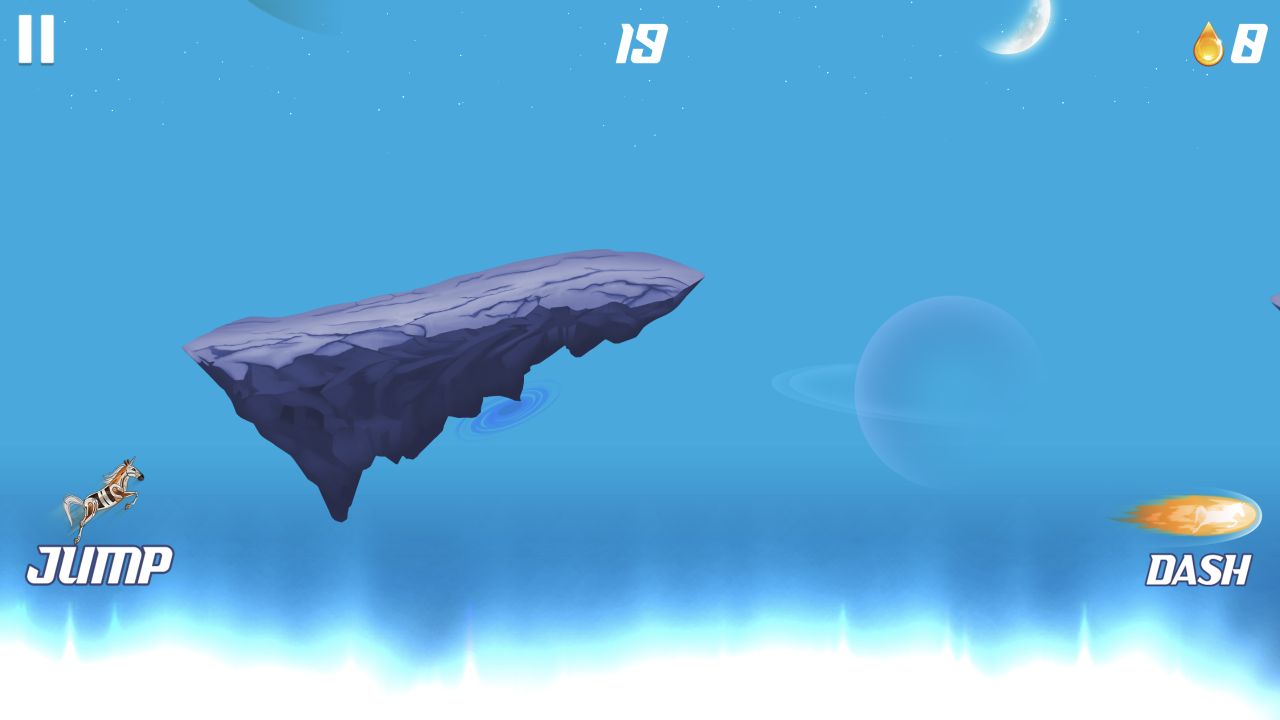
That technical change does not automatically make a game responsive, mobile-friendly or well designed. Robot Unicorn Dash reached a live running state in our desktop session, while Tile Match changed from a narrow queue to a six-column board after a click. Those are implementation observations, not proof of the engine or the quality of every later level.
What players can verify
Performance comparisons require measurements on controlled hardware and networks. Production-cost claims require publisher data. This article makes neither. Its narrower conclusion is that the reviewed sessions run through the contemporary browser stack, and their individual evidence pages show where that statement ends.
- Whether the game reaches a live state without asking for Flash Player.
- Whether the first documented input changes the visible state.
- Whether controls, text and orientation fit the tested viewport.
- Whether a permission or third-party frame appears before play.
What the linked records actually contain
Robot Unicorn Dash was tested on 2026-08-13 in Codex in-app Chromium 151.0.7922.76 at 1280×720. The recorded inputs were Click Play Now; Press Space twice during the live run. The visible record says: The menu opened on a blue planet backdrop with a trophy counter at zero. Starting the run transitioned through a paint-splash wipe. The live HUD labeled Jump and Dash and the captured run reached 19.
Tile Match was tested on 2026-08-13 in Codex in-app Chromium 151.0.7922.76 at 1280×720. The recorded inputs were Close the preroll; Click the center of the game canvas. The visible record says: The opening used a narrow wooden chute rather than a full-width board. The tutorial said to tap three identical tiles. The click expanded the lower queue into a six-column fruit-tile grid with one pineapple highlighted.
These records support only the states and inputs described above. They do not establish later-level quality, average session length, mobile behavior, popularity, learning effects or competitive balance unless a separate source or test explicitly covers that question.
References and evidence
- Robot Unicorn Dash — hands-on evidence — Desktop (macOS), Codex in-app Chromium 151.0.7922.76, 1280×720; tested 2026-08-13.
- Tile Match — hands-on evidence — Desktop (macOS), Codex in-app Chromium 151.0.7922.76, 1280×720; tested 2026-08-13.
- Adobe Flash Player End of Life — Official end-of-life timeline.Accessed August 14, 2026.
- MDN: WebGL — Browser graphics documentation.Accessed August 14, 2026.
- MDN: WebAssembly — WebAssembly platform documentation.Accessed August 14, 2026.