New & featured games
The newest editor-reviewed picks added to the curated catalog. Use this page when you want to skip the games you have already seen and find something added in the last few weeks.
40 total in the playable library
Full game library
Full game library
This browsable library keeps every playable game visible. Cards marked Library are playable entries whose full editorial review is still pending.
What "new" actually means on a curated browser catalog
Most game portals treat "new" as a firehose: every title imported from any upstream feed gets a "new" flag for a week, then drops back into the general catalog. That model fails on a curated site, where a game does not exist on the homepage at all until an editor has played it, written a controls reference, drafted beginner tips, and signed off on a short FAQ. The result is that "new" here is a much smaller, much slower stream. A handful of additions per month is normal, and that is by design. The page you are reading exists so that returning visitors can see what changed since their last visit without scrolling past the games they already know.
A practical consequence is that nothing on this page should feel filler. If a title is here, an editor decided it earned a permanent slot in the catalog rather than a transient mention. That is a higher bar than most browser portals apply to their "new" sections. It also means the right time to check this page is not every day; once a week or once every two weeks is usually enough to see real movement. If nothing on this list looks unfamiliar, the catalog has not changed since your last visit, which is a feature, not a bug.
The page is sorted in approximate reverse order of when each reviewed game was added, with newer titles on top. Because the reviewed layer is selective, the order is not exact: a game that was reviewed last Tuesday and a game that was reviewed this Monday will both appear near the top, and the precise order between them depends on internal indexing. For most visitors that is fine, since the question you are usually trying to answer is "what is new since my last visit", not "what is the single most recent addition by hour".
The review pipeline a game has to clear before it shows up here
When a candidate game is suggested, an editor opens it on a fresh browser profile and plays through it for at least one full session. They make notes about what the loop is, how the controls map to keys and to touch, and how forgiving the failure penalty feels. If the title passes the first session, the same editor returns on a different device, usually a mid-tier Android phone, to confirm that the touch controls actually work. Many games that look fine on desktop fail this second test because their input layout assumes a mouse, and they are dropped without ever appearing on the site.
Titles that survive both sessions get the editorial treatment: an original description that is not a copy of the publisher blurb, a controls reference table, a beginner tips section, a balanced pros-and-cons block, and a short FAQ. Only when all five pieces are written and proof-read does the game enter the catalog, which is also when it shows up on this page. The whole pipeline usually takes between one and three days for a single addition. That cadence is the reason the new list moves slowly and the reason the games on it are worth opening even if you only have time for one this week.
A small but important rule: editors do not write descriptions while watching the publisher trailer. The original description is supposed to capture how the game actually feels in a real session, not how the marketing wants the game to feel. Two of those things are often quite different, and a description written from the trailer tends to overpromise. Reading the description on a curated game page should give you a roughly accurate prediction of the first thirty seconds of play. When it does not, the description gets rewritten in the next pass.
Why a small "new" list is more useful than a flooded one
On a portal with thousands of titles, the new list is essentially noise. A visitor who sees forty new entries a week has no way to triage them, so they default to the most-clicked thumbnails, which tend to be the loudest art rather than the best games. A small new list inverts that dynamic. Every entry has been individually reviewed, which means the visitor can open the top three without having to filter and feel reasonably confident that each one is worth a session.
There is also a quieter benefit: a small new list rewards revisiting. Coming back to a giant catalog after a month away is exhausting because everything looks the same. Coming back to a small curated catalog after a month away is satisfying because the new section actually changed and the changes are tractable. That feeling of catchable progress is hard to engineer, and it is one of the reasons the catalog is kept deliberately small instead of inflated to look impressive.
A small list also makes the editorial team accountable in a way that a giant list cannot. When only one or two titles ship per week, every choice is visible and every choice is owned by a named editor. There is no hiding a weak addition in a flood of releases. That accountability raises the bar over time because the team knows that a sloppy review will be the only sloppy review of the week, not one of forty. Visitors notice that effect even when they do not articulate it; the average quality of the new list goes up rather than down as the months accumulate.
Sub-genres that have been dominating recent additions
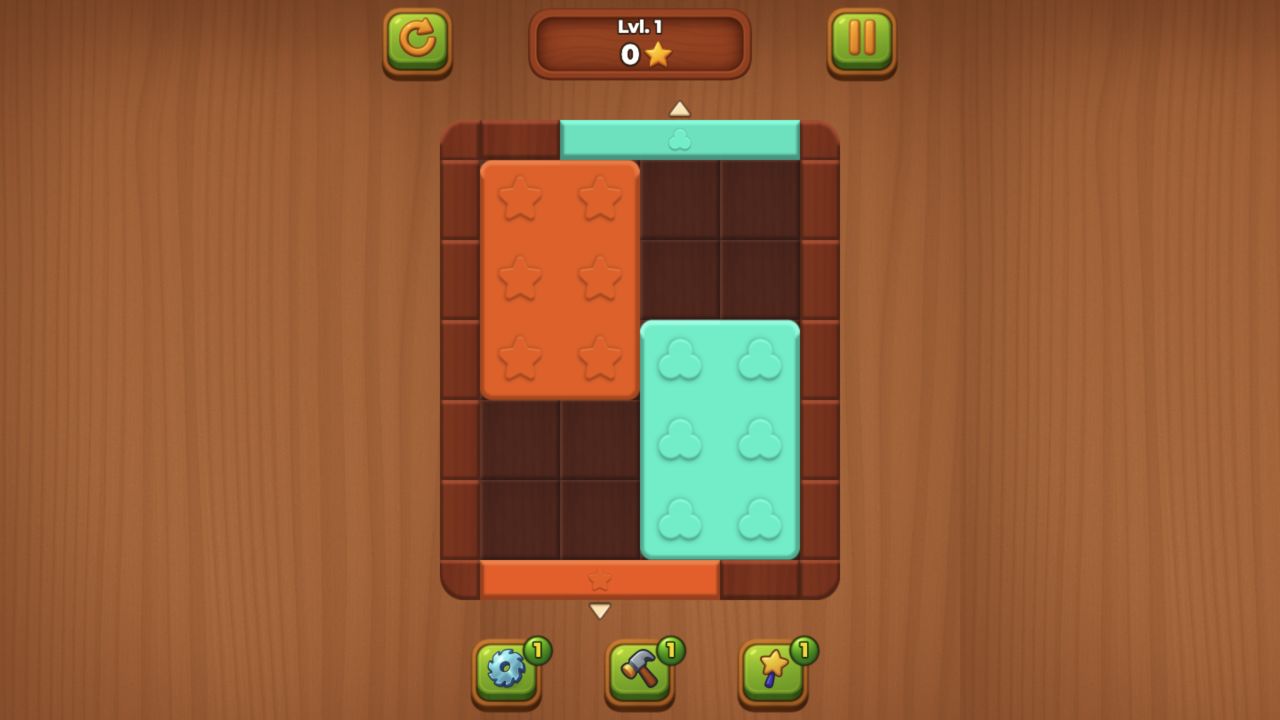
Across the past few months, three sub-genres have shown up disproportionately in the new list. The first is the merge puzzle, where the player drags numbered or coloured tiles together to climb a tier ladder. These games are popular with new web releases because the upgrade loop maps cleanly onto a five-minute session and works on touch without any tutorial overhead. The second is the wave survivor, a small character against escalating enemy waves with light upgrade choices between rounds. They keep arriving on the new list because the format is cheap to ship to the browser and easy for editors to review.
The third sub-genre is the .IO arena revival. After a long quiet period, .IO multiplayer is back on the new list because match-making frameworks have become cheap enough for small studios to ship without server bills. Each addition is small in terms of player count per match, but the loop is fast and the social pressure is enough to fill rooms quickly. If you want to feel the current shape of the new list at a glance, open one merge puzzle, one wave survivor, and one .IO arena from the top of this page. Those three sessions will tell you most of what you need to know about what is currently shipping to the open web.
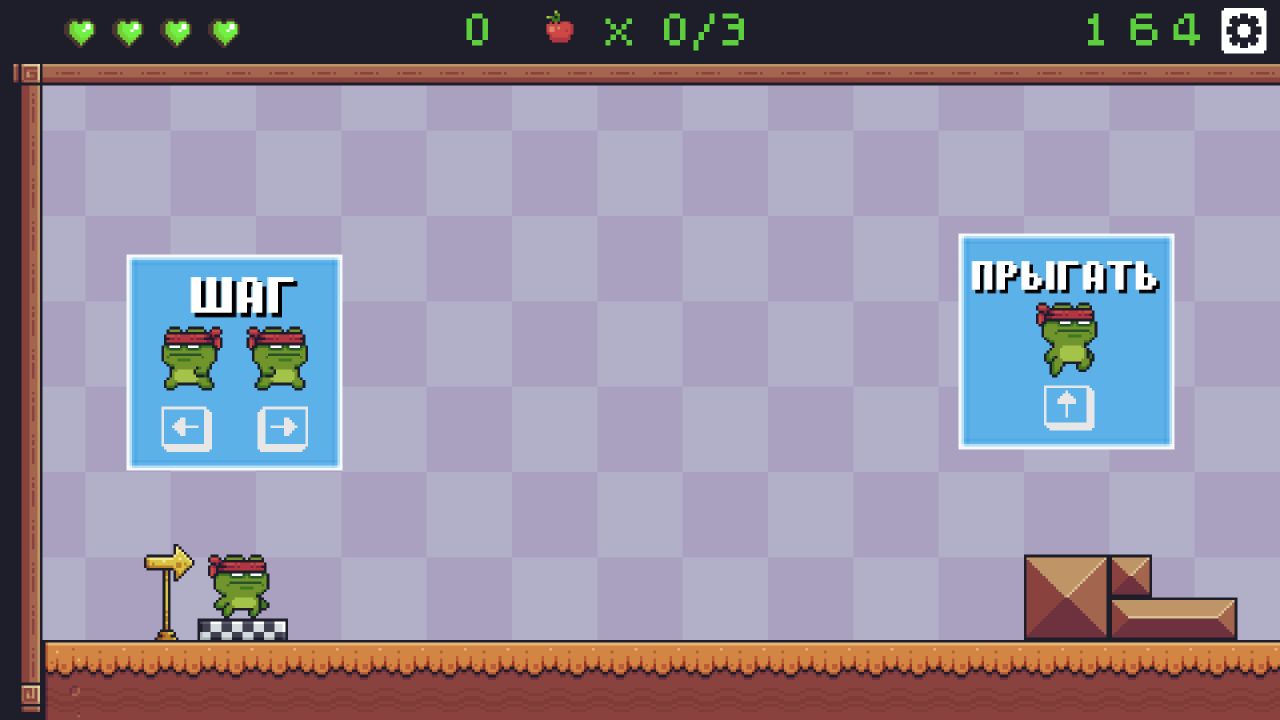
A fourth, smaller pattern that is starting to appear is the short narrative platformer. These are not full adventures; they are usually three to five short levels with a small story tied together by simple jump-and-run mechanics. They are showing up because a generation of indie developers grew up on console platformers and is now experimenting with web-sized portions of the same idea. They will probably never dominate the new list the way the first three sub-genres do, because the audience is smaller, but every two or three months one of them earns a slot.
How to get the most out of this page as a returning visitor
The first thing to do is to scan the list for slugs you do not recognise. If you are a regular visitor, two or three names will jump out as unfamiliar; those are the additions since your last visit. Open the top one and give it a real round, not a thirty-second peek. Browser games are unfair to skim, because the first thirty seconds are usually a soft tutorial that hides the actual loop. Three rounds in is when the design choices become legible.
After you finish a session, scroll down to the bottom of the game page and read the related and same-category sections. Those are the closest neighbours of the new title in the catalog and are a fast way to find more of what you just enjoyed without coming back here. If you found nothing on the new list interesting, the most useful next move is to open the popular list and pick the highest-ranked title you have never played. Between those two pages you usually have enough fresh material for a reasonable lunch break without ever opening a category index.
The second-most-useful habit is to read the editorial pros-and-cons block on the game page before deciding whether to commit to a longer session. The cons section in particular is usually where an editor was honest about the parts of the game that wear thin. If those cons match the way you usually run out of patience with a title, the game is probably not the right fit for the next thirty minutes. If the cons are about details you do not personally care about, you can probably ignore them and enjoy the game.
When the new list goes quiet
There will be weeks when the new list does not change. That is normal. Two of the editors are often working on long-form blog pieces or category long-reads at the same time as game reviews, and a slow week on this page usually means a busy week on the blog. If you want to see what the team is producing instead of just what is being added to the catalog, the blog index is the right place to check. A new long-form post often ships in the same week that no new game does.
Quiet weeks are also when the team rotates titles out of the catalog. A game that has been sitting in the lower half of the popular list for more than a month and is not earning second sessions will be quietly removed to free a slot for a stronger candidate. Rotations do not show up on this page because the page is for additions only; if you want to see what changed in either direction, the sitemap is the canonical source. Either way, the goal is a small, opinionated catalog that respects your attention. This page exists to make that promise visible.
If you ever come back and the new list has not moved for more than a month, that is a signal worth paying attention to. It usually means either that the editorial team is rebuilding a section behind the scenes or that no candidate game has cleared the review pipeline recently, which is itself a useful piece of information about what the open web is shipping. In either case, the right move is to spend the visit on the blog or on a category longread. The catalog will move again on its own schedule, and rushing additions to fill the page would defeat the entire point of running a curated site.
Frequently asked
How often does the "new" list update?
On average it adds one to four titles per month, depending on how many candidate games clear the editorial review process. The cadence is intentionally low because every addition has to ship with original descriptions, controls, tips, pros and cons, and a short FAQ before it appears on the site.
Why are recent viral games not on this list?
Viral popularity is not enough to qualify for the catalog by itself. A game still has to pass the same hands-on review every other title gets, including a working mobile experience and a control scheme that holds up after thirty minutes of play. Titles that look great on a trailer but feel rushed in the browser are dropped without making the new list.
Are the games on this page also indexed by search engines?
Yes. Every curated game page is included in the sitemap and uses standard structured data so Google and other search engines can index it normally. The "new" page itself is also indexed and refreshes whenever the catalog rebuilds, which currently happens at least once a week.
Can I suggest a game for the new list?
Yes. Email [email protected] with a link and a short note about why the game would fit the catalog. Suggestions go into a queue that the reviews editor checks every couple of weeks. We cannot promise that every suggestion will be added, but suggestions from real visitors are weighted more heavily than feeds from publisher partners.
Blog
Read next from the blog
Six random editorial picks to keep the browsing going.

Opinion
Why Controls Matter More Than Graphics
Pretty art can attract attention, but poor controls are what make players close the tab for good.
Lists
Simple Clicker Games With Real Depth
The strongest clicker games start with a single obvious action and then keep changing what that action means.
Skill guides
How to Train Pattern Recognition With Browser Puzzles
A simple four-week puzzle routine can improve pattern recognition if you treat each session as practice in noticing shape, not just clearing boards.
Guides
Casual vs Hardcore: Choosing Your Style of Free Online Gaming
These two labels are everywhere in gaming culture but rarely defined. Here is what they actually mean for your free time.
Skill guides
FPS Fundamentals for Controller and Keyboard
Controller and mouse-keyboard ask for different strengths in browser shooters, and both improve when you borrow habits from the other side.
Guides
How Tile-Matching Games Quietly Train Your Brain
Tile-matching works as light mental training because it teaches the brain to compress a crowded board into manageable chunks.