Shooting games

Aim-driven browser games about timing, accuracy, positioning, projectiles, cover, survival, and reading combat spaces under pressure.

7 editor-reviewed72 total in the playable library

Editor-reviewed picks

Editor-reviewed picks

These games have original fulegames notes, controls references, tips, pros and cons, and FAQ entries written after hands-on review.

Sorter: Ragdoll Playground Shooter — play free in your browser
Shoot & Sprint: Warfare — play free in your browser
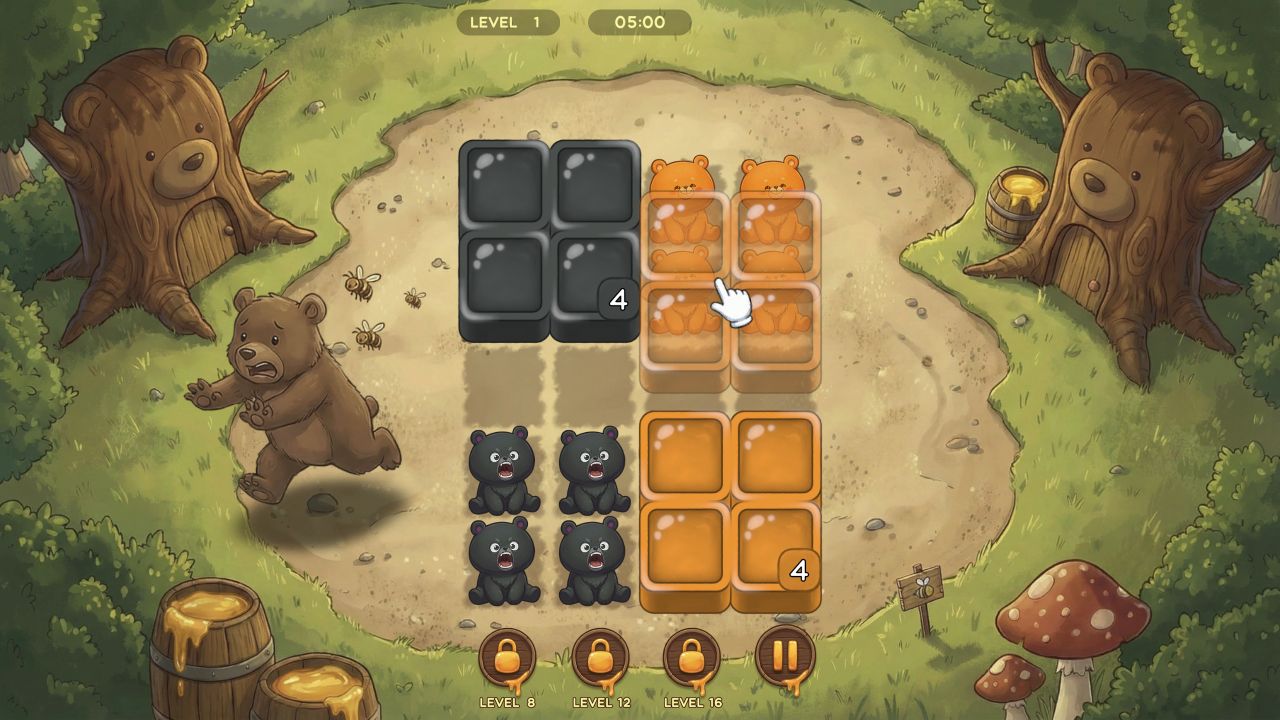
Bark & Blast — play free in your browser
Balls: Ricochet! — play free in your browser
Stickman Archer Kick — play free in your browser
Dummies World Cup — play free in your browser
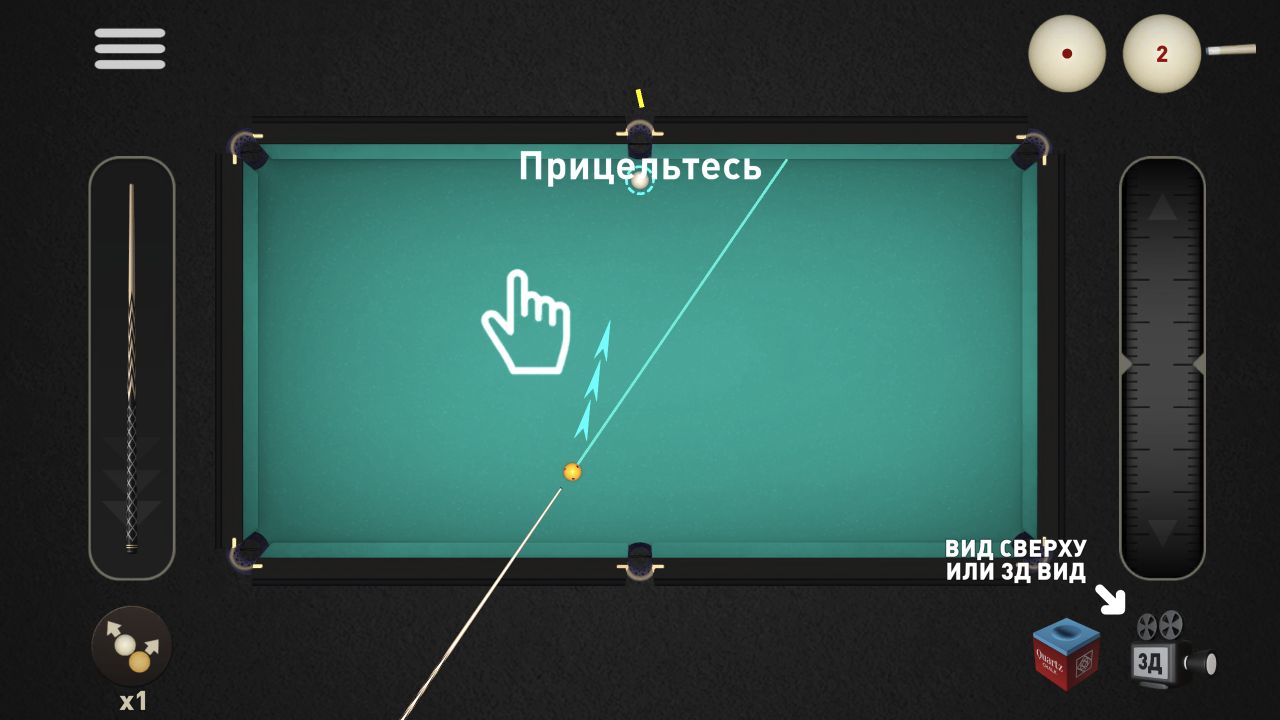
Pool Shoot Tournament — play free in your browser

Full game library

Full game library

This browsable library keeps every playable game visible. Cards marked Library are playable entries whose full editorial review is still pending.

Web shooters before WebGL were already inventive

Before WebGL, browser shooting games were limited by technology but not by imagination. Flash light-gun ranges, turret defenses, side-view shooters, stick arenas, and top-down survival games carried the category for years. They could not always offer full 3D movement, but they understood the essential appeal: aim, fire, dodge, reload, survive. Those older games also taught designers how to communicate danger quickly. A projectile needed a readable path. An enemy needed a clear wind-up. A reload window needed tension. These lessons still matter in modern shooters.

The browser audience shaped the genre differently from PC shooter culture. Players wanted fast entry and short rounds, so web shooters became compact. They used smaller maps, simplified weapon sets, and immediate objectives. That compression is still useful. A browser shooter does not need to imitate a premium tactical game to be good. It needs clean input, fair hit feedback, and a reason to improve after each mistake.

What WebGL unlocked

WebGL made full 3D shooters, better arenas, smoother cameras, and more ambitious effects practical in the browser. First-person aiming became possible without plug-ins. Third-person cover games could handle richer spaces. Twin-stick shooters gained more enemies, particles, and environmental detail. Yet better technology also raised expectations. Once a game asks for precise aim, input latency and frame stability become central. A beautiful shooter with delayed mouse response feels broken. A simple shooter with crisp response can feel excellent.

Modern web shooters therefore live or die by trust. The player must trust that the crosshair represents the shot, that damage came from a readable angle, that cover works as shown, and that performance will not collapse during pressure. When that trust exists, even a small shooter can become absorbing. Without it, no amount of weapon variety saves the experience.

Lane shooters, twin-stick, FPS, and battle arenas

Shooting sub-genres differ by movement and attention. Lane shooters limit movement and emphasize target priority. Twin-stick shooters ask players to move and aim separately, creating a dance of space control. First-person shooters focus on crosshair placement, angles, reaction, and map knowledge. Battle arena or battle royale inspired games add looting, shrinking space, and opponent prediction. Boss shooters focus on pattern recognition as much as accuracy. These forms may all involve weapons, but they train different skills.

Beginners should usually start with lane or third-person shooters because the camera and movement are easier to parse. Twin-stick is the next step when you want spatial pressure. First-person games are rewarding but more demanding because small sensitivity issues can ruin confidence. Battle formats are best after you understand basic aim and positioning. Choosing the right form matters because "shooting" is a very large skill bundle.

Settings that quietly matter

Shooting games are unusually sensitive to settings. Mouse sensitivity changes whether you can track a target or overshoot every turn. Field of view changes how much danger you see at the edge of the screen. Audio tells you where threats are before they appear. Graphics settings can affect frame rate, which affects aim. Even crosshair visibility matters. Many new players blame themselves for a game that is simply configured poorly for their device. Spend a minute adjusting before judging skill.

Controls also deserve attention. Some browser shooters use pointer lock, some use drag aiming, some use keyboard movement with mouse fire, and some support touch. The best scheme depends on sub-genre. A lane shooter can work on touch. A fast FPS usually needs mouse and keyboard. If the controls feel wrong, check whether the game was designed for the device you are using. A fair shooter should make its ideal input obvious.

Skill jumps that take ten minutes

A few shooter skills improve quickly with intention. First, keep your crosshair where enemies are likely to appear, not at the floor or center of empty space. Second, stop moving in straight lines when projectiles are slow enough to dodge. Third, reload behind cover or after creating distance, not in open space. Fourth, learn weapon range. A shotgun, rifle, launcher, and pistol are not interchangeable, even when the game presents them casually. Fifth, listen. Sound cues often reveal danger earlier than vision.

These habits do not require professional aim. They reduce the number of impossible situations you create for yourself. Many beginner deaths happen before the shot: standing in the wrong doorway, chasing into open ground, reloading too late, ignoring a flank, or fighting at the wrong range. Improve those decisions and accuracy suddenly looks better because shots happen from safer positions.

The competitive shooter scene on the web

Browser shooters will probably never replace dedicated competitive clients, but they do not need to. Their strength is accessible competition. A player can try aim duels, survival arenas, target challenges, or small team fights without a huge install. That makes the category useful for experimentation and practice. It also keeps the scene varied. Some games chase serious mechanics; others use exaggerated physics, toy weapons, or comedic arenas. The web allows both to exist side by side.

The future depends on performance, moderation, and clear matchmaking. Shooters are less forgiving than puzzle or casual games when a device struggles. They also need fair spawn rules, readable damage, and sensible input defaults. If those basics are handled, browser shooting can continue to grow as a fast, approachable way to test aim and combat awareness. The best titles will be the ones that respect the player's time without flattening the skill curve.

Shooter players should separate aim practice from combat practice. Aim practice is about crosshair control, tracking, flicking, and recoil. Combat practice is about when to expose yourself, where to stand, which target matters, and when to leave a fight. Many browser shooters mix these lessons, but players improve faster by noticing which failure happened. If your crosshair was on target and you still died, the problem may have been positioning or reload timing. If you were in a safe position but missed every shot, the problem was aim or sensitivity. If you never saw the attacker, the problem was map awareness or audio. This diagnosis keeps frustration useful. Shooting games can feel personal because losing happens quickly, but the best way forward is mechanical: isolate the failure, adjust one habit, run another round.

Frequently asked

Blog

Read next from the blog

Six random editorial picks to keep the browsing going.
All articles →
Tile Match gameplay preview used as editorial artwork for Top 10 Free Browser Games to Play in 2026

Lists

Top 10 Free Browser Games to Play in 2026

An editor-picked list of the best free browser games available right now, with notes on what makes each one stand out and who it is for.

Apr 22, 20269 min read

Rooftop Run gameplay preview used as editorial artwork for When to Quit a Running Game (And When to Stick)

Opinion

When to Quit a Running Game (And When to Stick)

Endless runners are best when they create one more try energy, not when they turn small failure into quiet obligation.

Feb 2, 20266 min read

Master of 3 Tiles gameplay preview used as editorial artwork for The Best Puzzle Games You Can Finish in 10 Minutes

Lists

The Best Puzzle Games You Can Finish in 10 Minutes

When you have a ten-minute window, these are the puzzle types that fit cleanly into it without leaving you wanting more time.

Mar 25, 20266 min read

2048 3D: Merge Cubes gameplay preview used as editorial artwork for The Best Merge Games for Relaxing Play

Lists

The Best Merge Games for Relaxing Play

The most soothing merge games turn clutter into order at a pace that feels deliberate rather than sleepy.

Apr 8, 20266 min read

Snake 2048 gameplay preview used as editorial artwork for How to Pick the Right .IO Game for Your Mood

Guides

How to Pick the Right .IO Game for Your Mood

The .IO genre has split into half a dozen subgenres. Here is how to pick the right one for the next twenty minutes.

Apr 15, 20267 min read

Axe Run gameplay preview used as editorial artwork for Why Browser Games Are Making a Comeback

Industry

Why Browser Games Are Making a Comeback

The browser as a games platform almost died with Flash. A quiet revival across the last few years has changed that completely.

Apr 1, 20268 min read