Good Sort Master: Triple Match
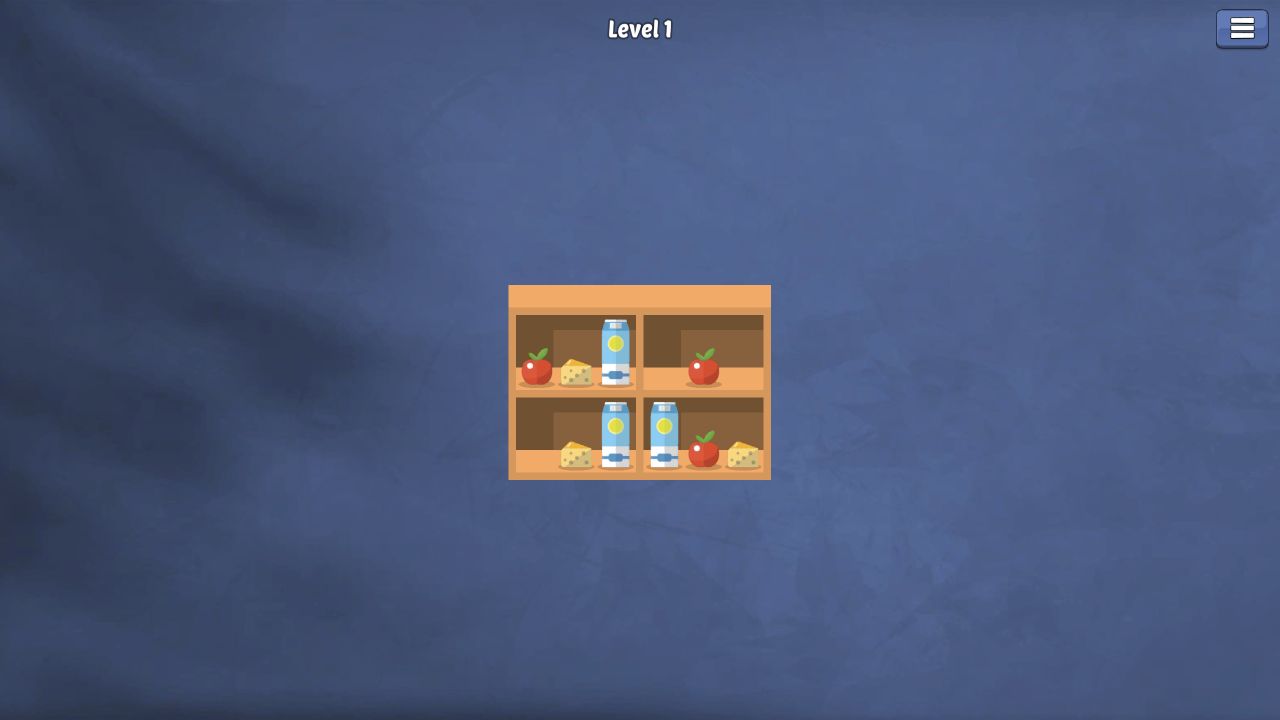
Good Sort Master: Triple Match is a shelf-sorting puzzle about grouping identical items, clearing triples, and keeping enough space open to avoid turning a relaxing cleanup task into a blocked board.
Good Sort Master: Triple Match
Overview
Good Sort Master: Triple Match belongs to the modern shelf-sorting branch of puzzle games. The screen is not a classic grid, but the thinking is familiar: identify matching objects, move them into useful positions, clear sets of three, and keep the remaining space flexible. The theme is organization. The actual challenge is sequencing.
The game's appeal comes from the tension between calm presentation and tight board management. Sorting objects on shelves sounds relaxing because the action is easy to understand. Put identical items together and the mess becomes cleaner. But once shelves fill, the puzzle becomes less about spotting a match and more about preserving room for the next move. A careless placement can block the exact item you need later.
The catalog signals around the game include relaxing, memory, sorting, collection, and simple-game tags. That combination is accurate: Good Sort Master is approachable, but it still rewards attention. It is a strong choice for players who want a puzzle that feels tidy rather than frantic, while still offering enough pressure to make each clear satisfying. The 92 percent like signal and very high play count also match what the game does well: it gives players a simple first action, then slowly asks for better judgment without changing the basic language of the board.
What makes this page worth reading before playing is not simply that the game is "about sorting." Many shelf games look almost identical at a glance. The practical difference is how much spare space the board gives you, how readable the item icons are, and whether the triple clear happens quickly enough to make every correct placement feel useful. Good Sort Master is best judged as a comfort puzzle with planning pressure, not as a speed match game. If you enter with that expectation, the game makes more sense.
How it plays
The first thing to learn is how shelf space behaves. Some sorting games let you move any item freely; others limit movement by shelf position, stack order, or available slots. Before chasing speed, test how items can be picked up, where they can land, and whether a shelf clears immediately when three identical objects meet. That rule determines the entire strategy.
A good early habit is to clear obvious triples without scattering partial pairs across the screen. Two matching items are useful only if the third can reach them. If the third item is buried, blocked, or far away, that pair may become dead weight. Keep one or two shelves flexible so new matches have somewhere to form. The relaxing feeling comes back once the board has breathing room.
The memory tag matters because many shelf sorters ask you to remember object positions after the visible mess changes. If you move too quickly, you may forget where the third copy sits. Slow down enough to scan the full shelf before committing. The best move is often the one that opens access to several future triples, not the one that clears the nearest pair immediately.
In a typical round, the first few moves are mostly diagnostic. I would look for items that already have two copies near each other, then check whether the third copy is reachable without using a valuable open slot. If it is, clearing that triple is a strong opening because it immediately creates new capacity. If it is not, the better move is often to expose the hidden object or rearrange a shelf so the future clear becomes possible. This is where Good Sort Master gets more interesting than its calm surface suggests. The board asks you to think in two layers: the visible match and the space that will remain after the match.
The game also benefits from a very plain rule of thumb: do not make a shelf look neat unless that neatness helps the level. Grouping two matching items can feel correct, but if that pair blocks a different triple, it has created a prettier problem rather than a solved one. A strong player keeps temporary disorder where it buys flexibility. One shelf can be a staging lane. Another can hold a pair that is one move away from clearing. A third can stay open for surprise pieces. That kind of mental labeling is useful because it turns a crowded board into a set of small jobs.
There is no need to rush the early boards. The interface is built for touch and mouse, and the core move is simple enough that the challenge comes from the choice, not the execution. On desktop, the bigger screen helps with object recognition, especially when two items share similar shapes. On a phone, the vertical orientation is comfortable because shelves stack naturally on the screen, but I would play a little slower on small displays to avoid tapping a neighbor item by mistake.
First-session evaluation
Good Sort Master works best when played as a cleanup puzzle rather than a race. The pleasure is seeing a crowded shelf become orderly. If the game includes timers or move pressure, treat those as secondary until the sorting logic is clear. A calm first pass will usually outperform frantic tapping because each wrong move costs space.
Look for object families. Many sorting games use similar shapes or colors to distract the eye. Group by exact identity, not by rough color. If two objects look nearly identical, zoom your attention before moving them. Small visual differences often decide whether a shelf clears or stays blocked.
The game is especially suitable for short sessions because one board can deliver a complete arc: clutter, recognition, a few blocked moments, and then a satisfying clear. It is also a good fit for touch screens because tapping and arranging objects matches the theme, provided the item icons remain readable on the device.
During an editorial pass, I would judge the game on four concrete points. First, are the objects visually distinct enough that mistakes feel like player errors rather than art confusion? Second, does the board fail because of planning choices, or because the game suddenly hides information the player had no way to anticipate? Third, do boosts such as undo, shuffle, or extra space feel like rescue tools rather than required purchases of progress? Fourth, does the difficulty curve create new sorting situations instead of repeating the same shelf jam with more objects?
Good Sort Master scores best on the first-play comfort factor. You know what the game wants within seconds, and the satisfaction of clearing three matching items is immediate. Its main risk is also common to the genre: if later boards rely too heavily on nearly identical object art or very narrow free space, the relaxing promise can turn into visual fatigue. That does not make the game weak, but it means the best player experience comes from deliberate play. A page recommending this game should make that clear rather than selling it only as a casual tapper.
For AdSense-style content quality, this distinction matters. A shallow review might say "sort items and have fun." A useful review explains why the game works, what can frustrate a player, and how someone can approach the first few levels with better expectations. Good Sort Master is not a story-heavy game, so the value of the article has to come from gameplay interpretation: how shelf space functions, why triple matching can become strategic, and which players will actually enjoy the rhythm.
Strategy that keeps the board alive
The most reliable approach is to protect at least one flexible shelf. When every shelf contains a partial set, you are no longer solving the level; you are waiting for the exact missing object to appear. That is dangerous because a later item may need a different route. A flexible shelf gives you a place to park an object while you unlock a better match.
Work from blocked items toward open items. If an object is sitting behind another piece or on a shelf with limited exits, treat it as a future problem. Clearing easy triples from the open area can help, but only if it gives that blocked item a path. This reverse planning is especially important when several copies of the same item are visible but not all reachable. It is tempting to build the pair immediately. Instead, ask which move will make the third copy available.
Use boosts with a standard, not with panic. An undo is valuable after you learn why a move failed. A shuffle is valuable when the board has become structurally stuck, not just when you are impatient. Extra help can keep a relaxing game from becoming irritating, but relying on it too early prevents you from learning the shelf logic. I would save assistance for boards where you can explain the blockage: no open shelf, a required object buried, or a color pair occupying the only useful lane.
Device and accessibility notes
The game is listed for Android, iOS, and desktop, with vertical orientation. That is a sensible fit. A vertical shelf puzzle keeps the whole play area close to the thumb on mobile, and the movement rules do not demand complex keyboard input. The most important mobile factor is icon clarity. If the screen is small, pause before moving items that share a similar outline or color family. On desktop, the larger view makes it easier to scan all shelves before choosing a move.
Good Sort Master is also friendly to players who prefer low-pressure thinking. It does not require memorizing long control schemes, and its feedback is easy to read: a triple clears or it does not. Players who need fast action or constant novelty may find the loop too quiet, but puzzle players who enjoy tidying, matching, and incremental board improvement will likely understand the appeal quickly.
Controls
Mouse click / tap: Select an item or shelf object. Drag / tap-to-place when available: Move items into matching shelf positions. Boost, undo, or shuffle buttons: Use only when the board is genuinely blocked.
Pros
The shelf-sorting theme makes the puzzle goal instantly understandable. Relaxing presentation pairs well with real spatial planning. Triple matching gives each clear a clean sense of completion.
Tradeoffs
Similar-looking objects can create visual mistakes on smaller screens. Late boards may depend on careful space management rather than casual tapping. Boosts can be tempting, but relying on them too early weakens the puzzle.
Controls reference
| Input | Action |
|---|---|
Mouse click / tap | Select an item or shelf object. |
Drag / tap-to-place when available | Move items into matching shelf positions. |
Boost, undo, or shuffle buttons | Use only when the board is genuinely blocked. |
What we like, what we don't
Pros
- The shelf-sorting theme makes the puzzle goal instantly understandable.
- Relaxing presentation pairs well with real spatial planning.
- Triple matching gives each clear a clean sense of completion.
Cons
- Similar-looking objects can create visual mistakes on smaller screens.
- Late boards may depend on careful space management rather than casual tapping.
- Boosts can be tempting, but relying on them too early weakens the puzzle.
Frequently asked
Is Good Sort Master: Triple Match a match-3 game?
It is related, but it is more of a sorting puzzle. Instead of swapping gems on a grid, you arrange shelf items so three identical objects can clear.
What is the best beginner strategy?
Keep spare shelf space open. Do not fill every slot with partial pairs unless you know where the third matching item is.
Is it relaxing or challenging?
Both. The theme is relaxing, but the board can become challenging when space runs low.
Does it work on mobile?
The metadata lists Android and iOS support. It should suit touch input well as long as the item icons are readable on your screen.
Who is this game best for?
It is best for players who like calm organization puzzles with enough planning to stay engaging. If you enjoy shelf sorting, triple matching, and short sessions that end with a clean board, this is a strong fit.
What should I check before using a boost?
Check whether you still have an open shelf, whether the third item for a pair is reachable, and whether one simple move can expose a blocked object. If all three answers are negative, a boost is more justified.
Category
Puzzle
Platform
Desktop + mobile
Devices
For Android, For IOS, For Desktop
Orientation
Portrait
Blog
More to read between rounds
Six random blog picks from the editorial desk.
Industry
What Makes a Good .IO Game in 2026
The best .IO games still succeed on three fundamentals: instant entry, painless exit, and a skill gap that players can actually read.
Lists
Top 10 Free Browser Games to Play in 2026
An editor-picked list of the best free browser games available right now, with notes on what makes each one stand out and who it is for.
Behind the scenes
How We Review Browser Games (And What We Look For)
A transparent look at the simple, repeatable review process we use before a browser game earns editorial coverage on the site.
Guides
Progression Systems in Idle Games, Explained
The best idle games are not idle all the way through; they move through active, passive, and reset phases that each ask a different question.
Lists
The Best Puzzle Games You Can Finish in 10 Minutes
When you have a ten-minute window, these are the puzzle types that fit cleanly into it without leaving you wanting more time.
Lists
Family-Friendly Free Games for Kids and Parents
A short, vetted list of browser games that are genuinely safe and enjoyable for younger players, with notes for the parents in the room.