Most popular browser games

The most-played editor-reviewed titles on fulegames, ordered by lifetime play count. Use this page when you want a shortcut to the games that other players keep coming back to instead of digging through every category.

40 total in the playable library

Full game library

Full game library

This browsable library keeps every playable game visible. Cards marked Library are playable entries whose full editorial review is still pending.

Master of 3 Tiles — play free in your browser
Axe Run — play free in your browser
Robot Unicorn Dash — play free in your browser
Sorter: Ragdoll Playground Shooter — play free in your browser
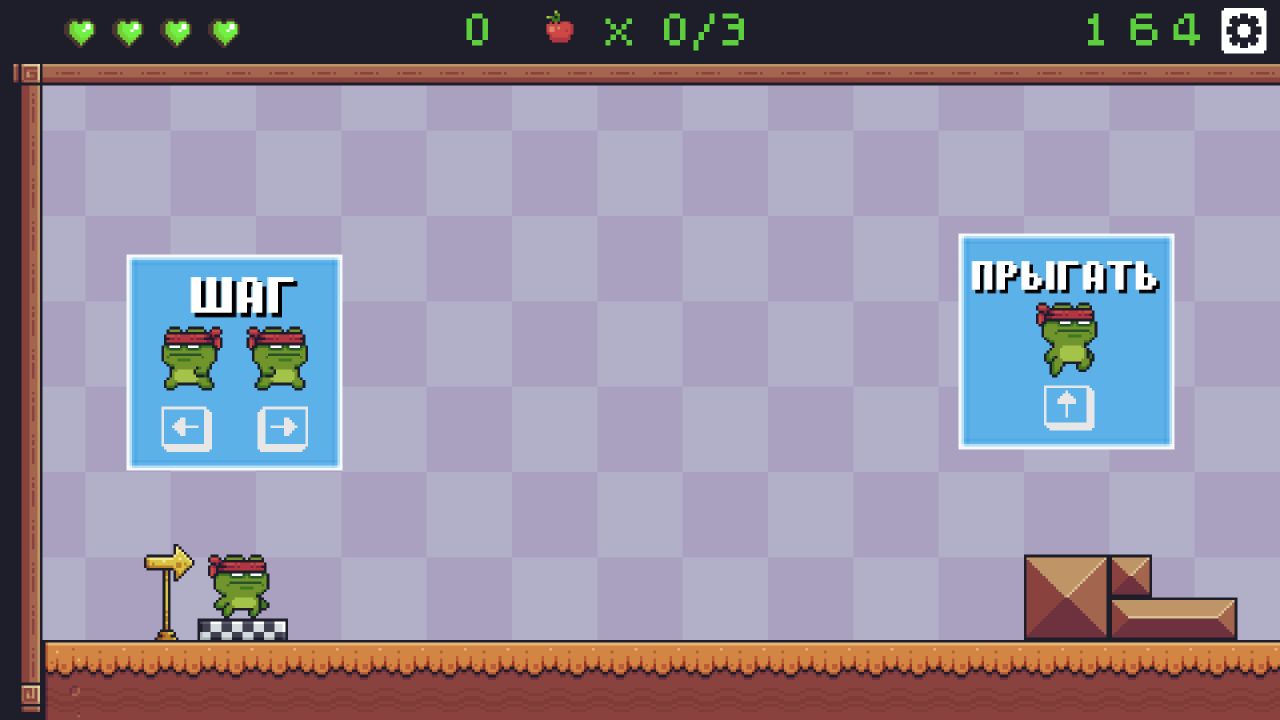
Super Frog Adventure — play free in your browser
Screw Match — play free in your browser
Business Go — play free in your browser
Coffee Color Blocks — play free in your browser
Billiards 3D: Russian Pyramid — play free in your browser
TetraDice–Merge & Blast Blocks — play free in your browser
Soccer Training — play free in your browser
Neon Goal — play free in your browser
2048 3D: Merge Cubes — play free in your browser
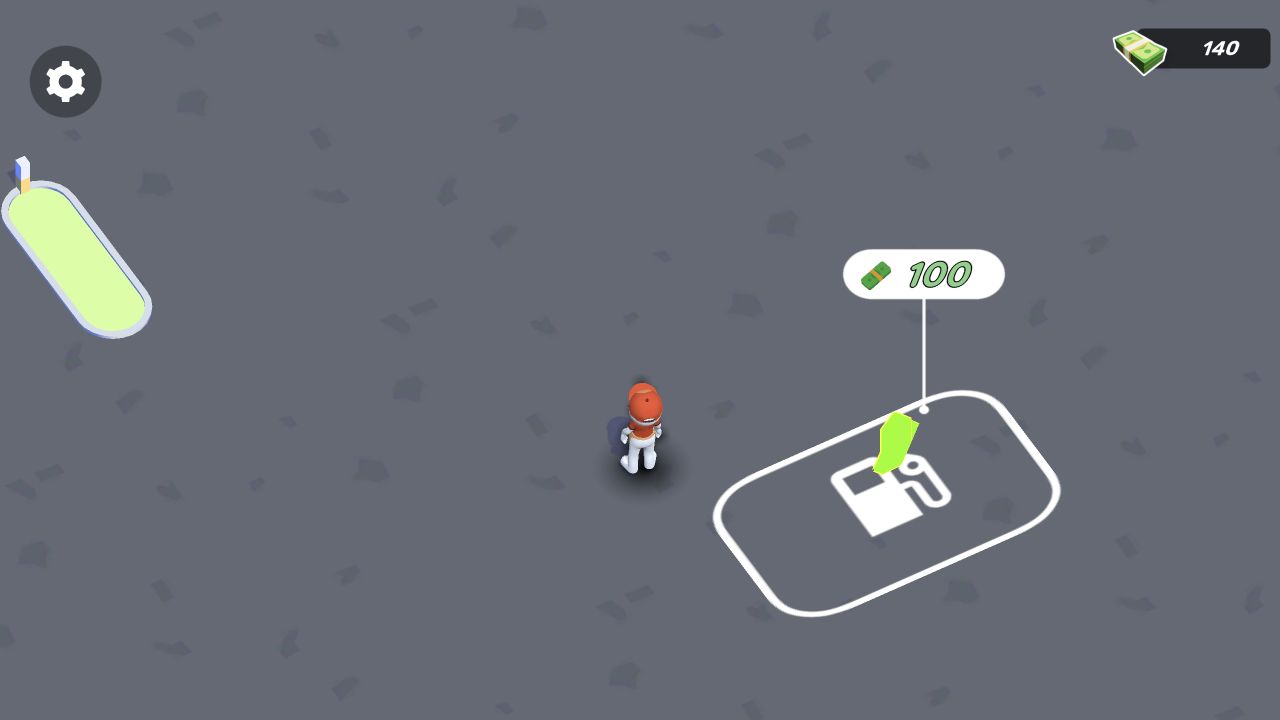
Gas Station Simulator — play free in your browser
Build a Rollercoaster: Simulator — play free in your browser
Good Sort Master: Triple Match — play free in your browser
Catch the Bear — play free in your browser
Shoot & Sprint: Warfare — play free in your browser
Bark & Blast — play free in your browser
Fast and Wild in Sky — play free in your browser
JuicyJong — play free in your browser
Balls: Ricochet! — play free in your browser
TENKYU BALL — play free in your browser
Archer Defense — play free in your browser
Bus Parking — play free in your browser
Robby The Lava Tsunami — play free in your browser
Ragdoll Crash-Test: Throw and Break! — play free in your browser
Moto X3M — play free in your browser
Amaze! — play free in your browser
Hook Pin Jam — play free in your browser
Wood Nuts Master: Screw Puzzle — play free in your browser
Rooftop Run — play free in your browser
Stickman Archer Kick — play free in your browser
Dummies World Cup — play free in your browser
Pool Shoot Tournament — play free in your browser
Basketball Superstars — play free in your browser

How a browser game becomes "popular" in 2026

Popularity on a browser portal looks different from popularity on a console store. There are no pre-orders, no launch trailers, and very little marketing budget pushing a single title to the top of a chart. A game becomes popular here in a much slower, much more honest way: a player opens it, finishes a round in two to four minutes, and either closes the tab or starts a second round. Multiply that micro-decision across thousands of sessions and you get a ranking that reflects real attention rather than launch hype. The play-count number on a curated catalog is therefore a better signal than a star rating, because nobody clicks "play again" out of obligation.

The titles you see at the top of this page were not selected because the publisher paid for placement or because they trended on social media. They climbed because the loop was tight enough that real visitors kept restarting after losing. That is the only meaningful popularity metric for a free, no-account format. A game that gets one round per visitor and never a second one looks the same as a forgotten release within a week. A game that earns three or four rounds per visit slowly accumulates a play count that is hard to fake. The list on this page reflects that effect over months, not days, which is part of why it changes more slowly than the homepage carousels.

A useful way to read the popular page is to treat the top entry as a hypothesis rather than a verdict. The number tells you that more people played this title than any of the others; it does not tell you that this is the title that you, on this particular evening, will enjoy the most. Test the hypothesis with one round and trust your own reaction over the ranking. Most popularity charts work better when they are used as a starting filter than as a final answer, and that is true on a curated browser catalog as much as anywhere else.

Why "most-played" is a more useful filter than "best"

Editorial best-of lists are useful when you want a curated opinion. Most-played lists are useful when you want a sample of what the median visitor finds satisfying. Those are not the same thing. A reviewer can pick a game with a beautiful art style and a clever loop that takes ten minutes to teach. The median visitor will probably bounce off it because they came to the site looking for a four-minute break. Play count rewards the games that respect that constraint, even when their visual presentation is plain.

For most readers the right way to use this page is as a starting point, not an oracle. Open the top three or four games, play one round of each, and notice which one you reach for a second time without thinking. That is the genre and pacing your brain currently wants. From there you can use the related-tag and category links on each game page to find five or six more titles in the same lane. The goal is not to play every popular game; it is to use the popularity signal to skip the slow part of discovery.

There is also a long-tail effect when the popular page is limited to reviewed titles. Every entry on this page has been individually checked and is paired with original copy and a controls reference. So the cost of trying the eighth most popular reviewed game is roughly the same as the cost of trying the first one, and you are likely to get a similarly thoughtful experience either way. The broader library remains visible elsewhere on the site, but this ranking is intentionally reserved for games the editors can stand behind.

The four kinds of titles that dominate the popular list

Looking at the top of the popular list across the past year, four loose categories show up again and again. The first is the wave survivor: a small playable character on an open field, increasing waves of enemies, and an upgrade choice every minute or two. These games punch well above their visual weight because the upgrade decisions feel like real progress in a single sitting. The second is the lane runner: one finger or one arrow key, three or four lanes of obstacles, and a coin economy that drips out cosmetic unlocks. They survive on raw clarity. A new player understands the rules in three seconds.

The third group is the puzzle quickie: tile-matching, logic boards, or physics setups designed for under five minutes per round. They get popular because they replace the urge to scroll a phone with something almost as low-effort but much more satisfying. The fourth group is the .IO arena: small-scale browser multiplayer with one objective, fast respawns, and rooms that fill within seconds. They get popular because the social pressure of "someone is waiting" makes it harder to close the tab. Most of the games on this page belong to one of those four categories, and a couple of them quietly mix two patterns at once.

When you see a popular title that does not fit any of those four shapes, it is usually because something else is doing the work. Maybe the art is exceptionally polished and the title is being shared in screenshots. Maybe the game ships with a hidden meta layer that rewards repeat sessions. Maybe it sits in a tiny sub-genre that has no real competition on the open web, so every visitor who searches for that pattern lands on the same title. Those outliers are interesting precisely because they break the pattern, and they are usually the games that an editor will write a longer review of when the next blog cycle comes around.

Reading the popular list when you only have ten minutes

If your time budget is under ten minutes, ignore anything on the list with "story", "campaign", or "level pack" in its name. Those words promise structure that you do not have time to engage with, and the first level often spends ninety seconds on tutorial. Look for titles that use "rush", "dash", "survival", "crash", "drift", "merge", or "io" in their slug. Those usually hint at the four-categories pattern above and are designed for short sessions by default.

When you only have a single round to spare, sort by "Best games" instead of trending. Best is a hybrid of like rate and play count, so it surfaces the titles that both keep players coming back and earn high satisfaction. That is the most useful single-game shortcut on the page. Once you have a winner, save it: most browsers let you bookmark a page in two clicks, and a good four-minute browser game is one of the best lunch-break tools the open web still offers.

A small detail that helps under time pressure: each curated game page on the catalog has a controls reference table near the top of the description. Glance at the table before clicking play. If the table lists more than five inputs, the loop is more demanding than a ten-minute window allows. Three or four inputs is the sweet spot for a quick session. That single check usually tells you within ten seconds whether the title belongs in your evening or whether you should keep scrolling the popular list for something lighter.

How the editorial team uses the popular list internally

Internally, the popular list is not just user-facing. The editorial team uses the same ranking when deciding which titles deserve a deeper review treatment. A game that holds a top-twenty position for more than a month earns a full hands-on writeup with controls reference, beginner tips, and FAQ. A game that climbs into the top forty briefly but slips back gets a shorter note. A game that never breaks the top hundred almost never gets covered in long form, because the time investment of writing about it would not match the audience it serves.

That feedback loop is part of why the reviewed layer stays selective. The broader library can hold many playable entries, but the popular list is one of the inputs that decides which titles deserve deeper editorial coverage and homepage placement. A title that was popular six months ago but is now consistently ignored can lose prominence to something that better matches what current visitors are actually playing. The end goal is a homepage where most of the games above the fold are titles that real visitors have approved with their second clicks.

The team also watches the popular list for surprises. When a title that nobody on the editorial side expected to perform well climbs into the top ten, it usually means the reviewed layer is missing a category. The most recent example was a small idle title that nobody internally was a fan of, which steadily climbed into the top fifteen and stayed there for two months. The take-away was not "we were wrong about idle games"; it was "the site needs better idle coverage". The next two additions in that genre were chosen partly in response to that signal, which is the kind of small course correction a reviewed layer can make without hiding the rest of the playable library.

When to ignore the popular list

Despite all of the above, popularity is not the right filter for every visit. If you want to discover a new genre, you should not start with the popular list, because it is biased toward whatever is already familiar. New genres feel uncomfortable at first, and discomfort lowers the play count, which keeps the genre off the popular page. To break that loop, jump from the popular list into the categories pages and intentionally pick a genre you have not tried in a year. Read the longread at the top of the category page first; thirty seconds of context is usually enough to decide whether the genre is worth ten minutes.

Popularity is also a weak guide for cooperative or multiplayer interest. Most browser visitors play alone in a tab, so single-player titles dominate. If you want to play with someone in the same room or over a quick voice call, browse the .IO category and the multiplayer tag instead. Those pages will surface titles that are smaller in raw play count but are explicitly designed for shared sessions, which is the right tool for that specific evening. Use this page when you want the safest pick; use the genre pages when you want to grow.

And finally, popularity is a poor filter when you want something you can teach to a non-gamer in one minute. The most popular titles on this page often assume basic genre literacy: that the player knows how a wave survivor escalates, or how a merge tier ladder works, or what a respawn timer is. For a true first-timer, the casual category and the puzzle category are kinder starting points. Pick the simplest entries from those pages and use the popular list later, when the person you are sharing the screen with already has thirty minutes of browser-game experience behind them.

Frequently asked

Blog

Read next from the blog

Six random editorial picks to keep the browsing going.
All articles →
Wood Nuts Master: Screw Puzzle gameplay preview used as editorial artwork for How to Train Pattern Recognition With Browser Puzzles

Skill guides

How to Train Pattern Recognition With Browser Puzzles

A simple four-week puzzle routine can improve pattern recognition if you treat each session as practice in noticing shape, not just clearing boards.

Feb 8, 20266 min read

Archer Defense gameplay preview used as editorial artwork for Five Common Mistakes New Shooting Game Players Make

Guides

Five Common Mistakes New Shooting Game Players Make

If you keep dying in the first five minutes of a shooting game, the cause is usually one of these five mistakes — not a lack of skill.

Mar 4, 20267 min read

Robot Unicorn Dash gameplay preview used as editorial artwork for Understanding HTML5 Games vs the Flash Era

Industry

Understanding HTML5 Games vs the Flash Era

A plain-English look at what changed when browser games moved from Flash to HTML5, and what we gained and lost along the way.

Apr 15, 20266 min read

Fast and Wild in Sky gameplay preview used as editorial artwork for Driving Games: How Physics Models Shape the Feel

Skill guides

Driving Games: How Physics Models Shape the Feel

Browser driving games can feel wildly different because they are built on different ideas of speed, grip, and failure.

Apr 1, 20266 min read

Coffee Color Blocks gameplay preview used as editorial artwork for Progression Systems in Idle Games, Explained

Guides

Progression Systems in Idle Games, Explained

The best idle games are not idle all the way through; they move through active, passive, and reset phases that each ask a different question.

Feb 18, 20266 min read

Snake 2048 gameplay preview used as editorial artwork for How to Pick the Right .IO Game for Your Mood

Guides

How to Pick the Right .IO Game for Your Mood

The .IO genre has split into half a dozen subgenres. Here is how to pick the right one for the next twenty minutes.

Apr 15, 20267 min read